Welcome to your
Hiking
Travel Guide
Discover the best hiking trails, what to pack and more.


What to Expect
With varied climates across South Africa, summers along the coast can range from dry and warm in Cape Town to hot and humid in Durban. In the winter, coastal areas experience cooler, rainy days, and you can expect snow in the Drakensberg and the Western Cape.
The best time to visit South Africa depends on what you want to see. In the winter months (June to August) it’s prime time for a safari in Kruger National Park. The temperatures are cooler and the bush is thin, making it easier to spot the Big 5. Plus, it’s low-season and you can scoop up incredible winter deals.
But if you’re looking to escape the cold, plan your trip to South Africa between November and March. It’s summer, and you can expect near-perfect beach days in Cape Town and plenty of outdoor festivals.
Read More: The Best Time to Visit South Africa
The currency in South Africa is the Rand. The majority of retailers and restaurants accept Visa and Mastercard as payment. Tap-and-go payments are widely used, and SnapScan is a popular mobile payment option.
While cards are generally accepted, it’s important to carry some cash, especially for toll gates, and tips at restaurants, parking attendants, and other services.
Most plugs in South Africa are 2-prong or 3-prong in type C, D, M, and N. I recommend buying a universal adapter with surge protection and using a converter for hairdryers.
The best way to get around South Africa is with a car. There are car rentals at all the major airports, but check your route beforehand to see if you need to rent a 4×4 or not. The main national roads are in good condition (with a pot hole here or there), but if you’re going to drive on dirt roads, you might need a car with higher clearance.
For Cape Town, Johannesburg and Durban, you can get around easily using Uber. However, if you’re going to the Garden Route or other small towns, you won’t have access to ride-sharing services. You’ll need to organise a paid transfer or book a metered taxi.
On a budget? You can use South Africa’s long distance buses to get around. There’s only one snag – the departure and arrival times are sometimes at 3am in the morning and you might not be able to organise someone to drop you off/fetch you from the bus stop.
You can buy a local SIM card at Cape Town International Airport or from a retailer in the city. Vodacom has a popular tourist SIM card and you will need to show your passport to purchase one.
But if you want to save time, I highly recommend buying an eSIM (if you have a comptaible phone). With an eSIM from Airalo, you can download your eSIM before arrival and have coverage as soon as your plane lands.
Is South Africa safe? That’s one of the most common questions I get asked. I’ve lived here all my life, and it feels the same as all the other big cities I’ve visited. You need to be aware of your surroundings and take basic precautions like you would anywhere else.
I would avoid walking alone at night or down quiet streets (even if you’re with a group). Don’t leave valuables in your car (especially if visible and always keep your doors locked and windows closed.
When you do use ride-sharing services, share your location with a friend and make sure someone has your itinerary and hotel information.
South Africa is one of the safest LQBTQ+ countries in Africa. It legalised same-sex marriage in 2006, and Cape Town has a thriving drag and queer party scene.

The Latest Hiking Posts
-
Kasteelspoort Hiking Trail: Everything You Need to Know
Ready to tackle a challenging Table Mountain hike? Here’s a full guide to the Kasteelspoort hiking trail (and how to make it tougher).
-
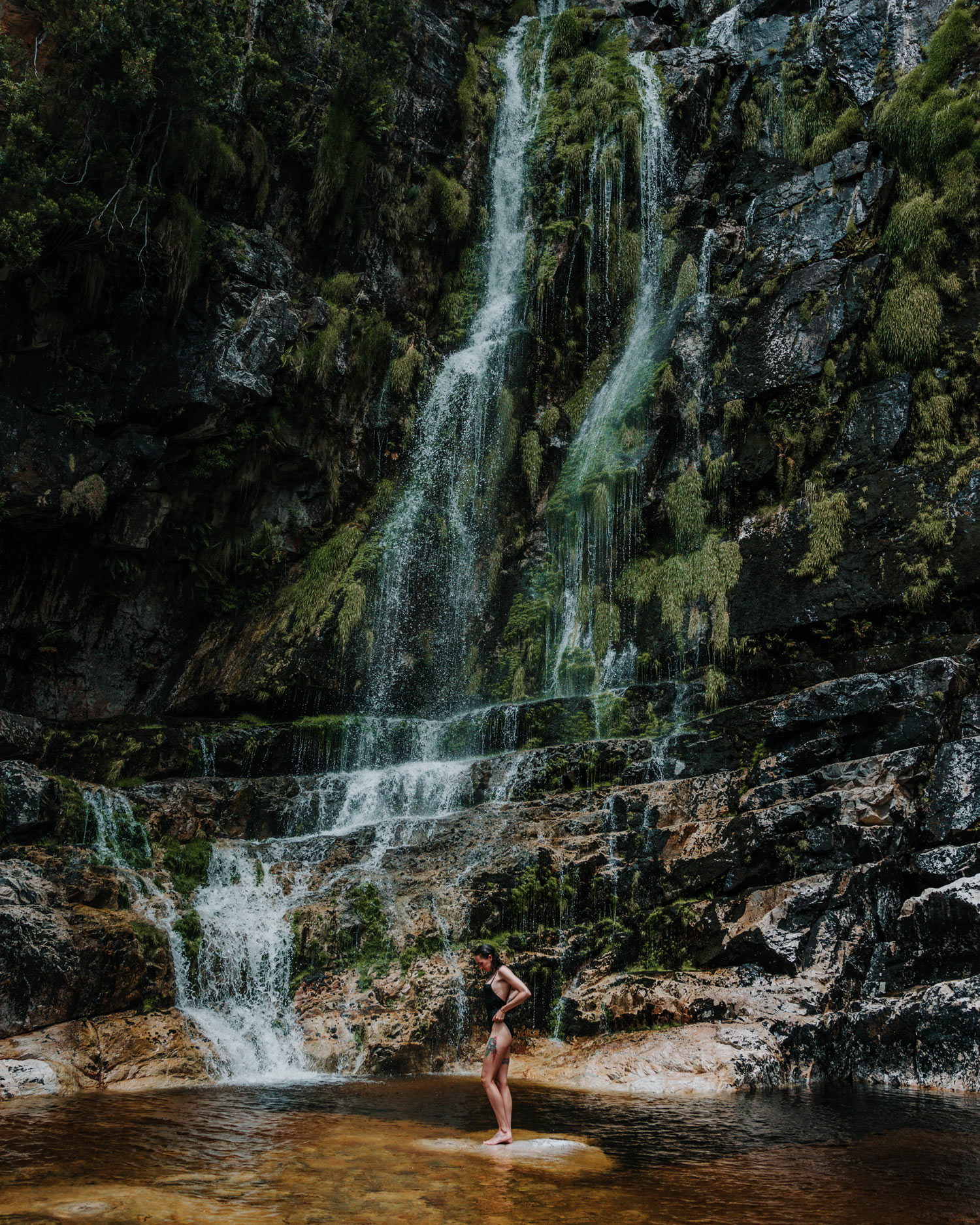
Crystal Pools Hike: Everything You Need to Know
The Crystal Pools hike has been on my Cape Town hikes bucket list for years….
-
10+ Best Hiking Trails in Johannesburg (A Local’s Guide)
There are some beautiful hiking trails in Johannesburg and surrounds to give you a dose of Mother Nature. Here are some of the best!
-
India Venster Hike: Everything You Need to Know
Listen, if anyone is recommending Platteklip Gorge to you for your Table Mountain hike. Run….
-
7 Best Waterfalls In Cape Town (And Nearby) That Are Worth The Hype
Don’t listen to TLC. Chase those waterfalls. Especially these spectacular waterfalls in Cape Town, South Africa.
-
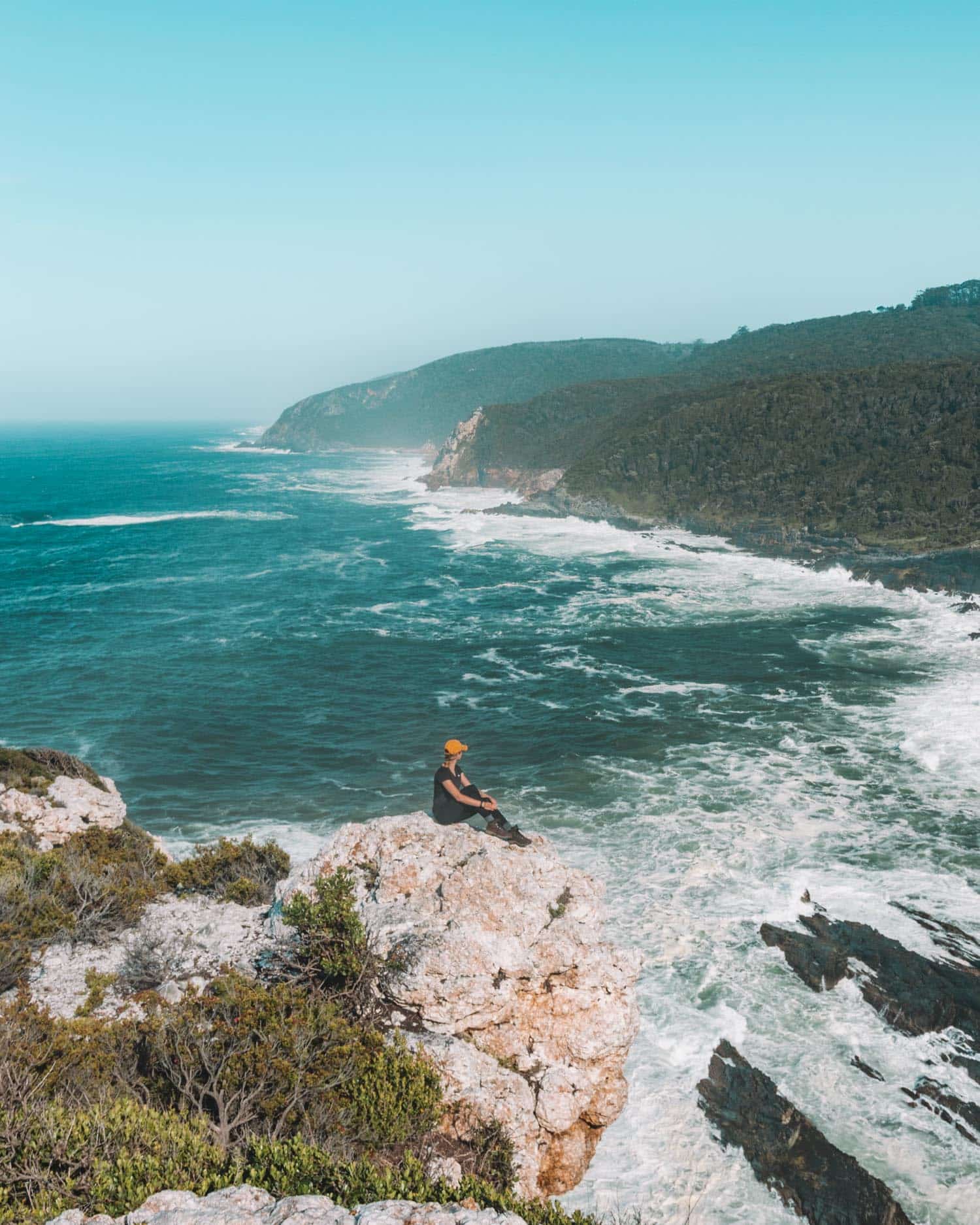
Hiking The Otter Trail in South Africa: Absolutely Everything You Need to Know
Want to tackle the oldest and most beautiful multi-day hike in South Africa? Here’s what you need to know to conquer the iconic Otter Trail!
-
Hiking Tugela Falls: Africa’s Highest Waterfall
Hiking Tugela Falls is a must for nature lovers! This 13 km hike will take you to the top of Africa’s highest waterfall 3,121 meters above sea level.
-
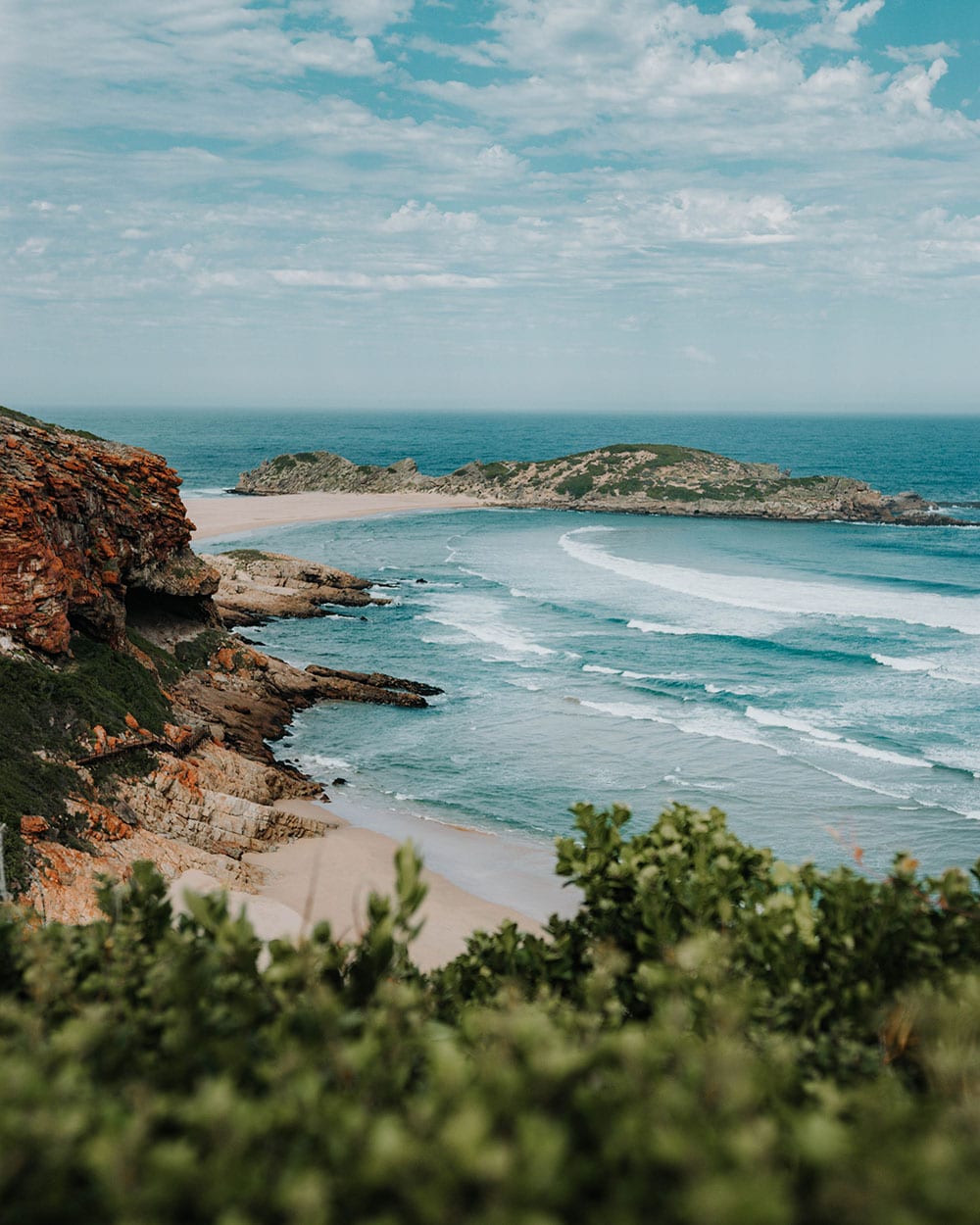
Hiking Robberg Nature Reserve: Everything You Need to Know
With its rugged, picturesque cliffs, sparkling Atlantic Ocean views, and scenic hiking trails, Robberg Nature…
-
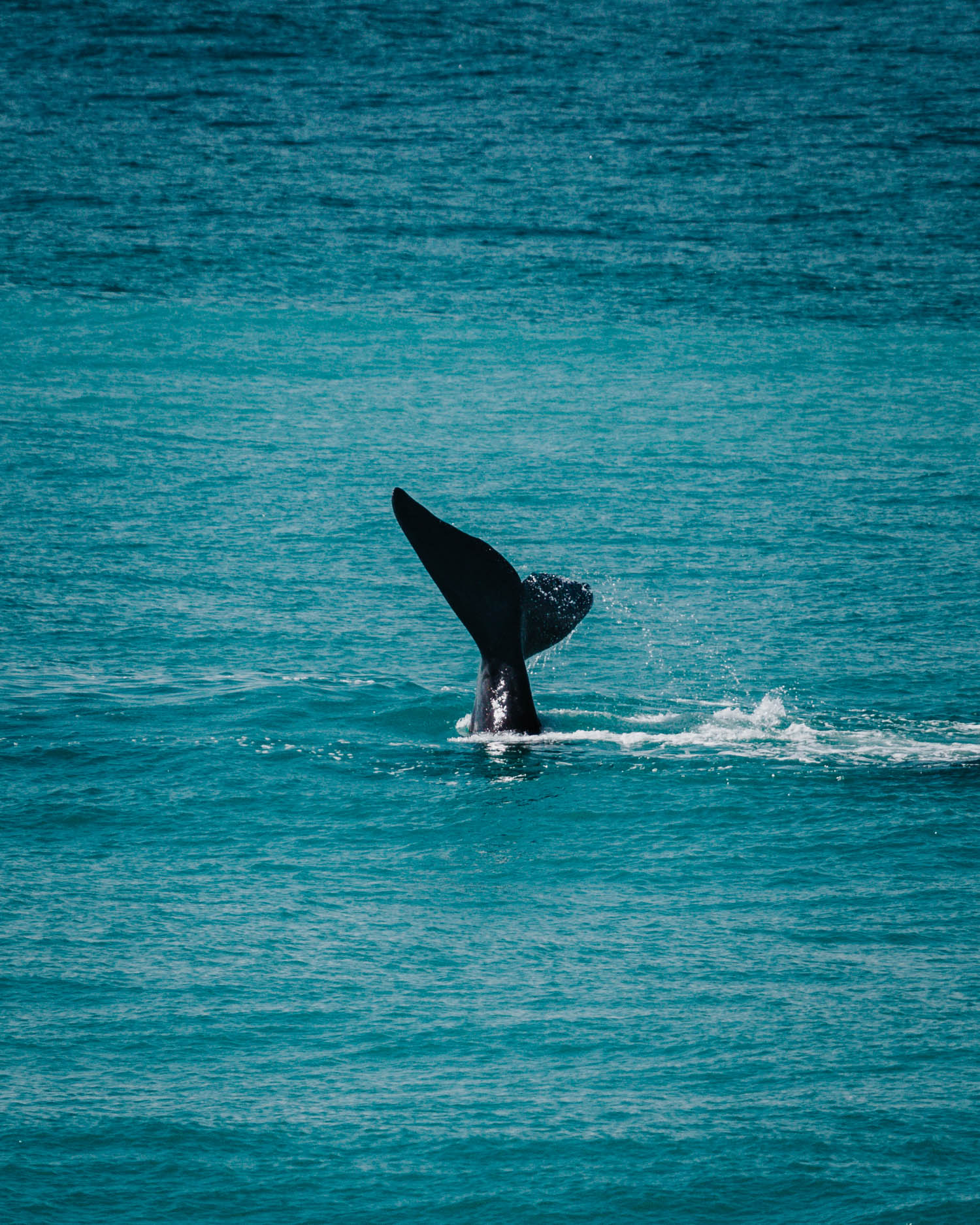
Whale Trail Hike in South Africa: Everything You Need to Know
You know those items on your South Africa bucket list that have been there for…
-
15+ Best Hikes in South Africa With Mind-Blowing Views [2026]
Growing up, I didn’t think much of hiking in South Africa. “Why must I go…