
The Ultimate Cape of Good Hope Hiking Guide [2026]
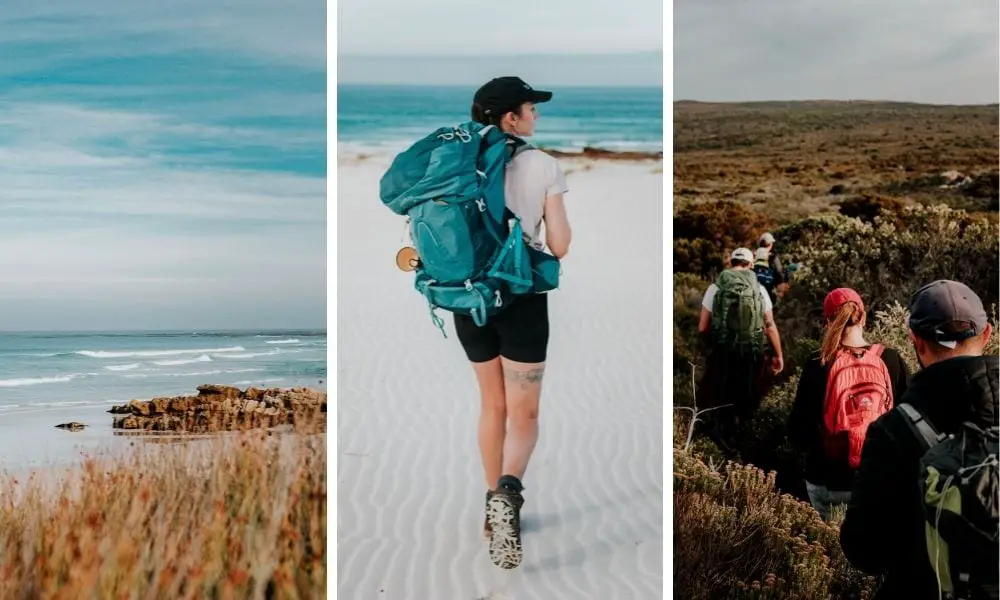
I’ll let you in on a secret.
Cape Point was my maiden voyage into the world of solo travel. Before I boarded my first solo flight to Laos or ventured to Vic Falls for a New Year’s party alone, I went to Cape Point.
My road trip here was one of the first blog posts I penned for Wanderlust Movement. Needless to say, it holds a special place in my heart.
Corny? You bet.
And when I found out that there were overnight hiking trails inside Cape Point, I internally yelled: “Shut the front door!!”
I spent weeks researching the whos, whats, and hows. I wanted to go ASAP, but there was one problem – no one else did.
Having only just dipped my toes in solo travel, the thought of hiking by myself ALONE was too far out of my comfort zone. So my dreams of hiking Cape Point stayed a wish until five years later, when I organised and hosted a guided hike here.
Was it worth the wait? Hell yes!
Would I recommend this trail? If getting throat punched with ridiculously good-looking landscapes is your goal, then the Cape of Good Hope Trail is made for you.
In this post, I’m sharing my best tips for the Cape of Good Hope hiking trail, from the best time to go, what to pack, and what to expect on this incredible two-day trek.
Psst…Want more Cape Town travel tips and hiking guides? Check out these other posts:
- 12 Best Hiking Trails in Cape Town With Jaw-Dropping Views
- Whale Trail Hike in South Africa: Everything You Need to Know
- The Ultimate Wolfberg Arch Hiking Guide
- 10+ Spectacular Multi-Day Hiking Trails in the Western Cape
- Lion’s Head Hike in Cape Town: Full Hiking Guide
- Crystal Pools Hike: Everything You Need to Know
Table of Contents
- What is the Cape of Good Hope Trail?
- Cape of Good Hope Practical Information
- Can You Hike Cape Point Without a Guide?
- Best Time of Year to Hike Cape Point
- How to Get to the Start of the Good Hope Trail From Cape Town
- What to Pack for the Cape Point Overnight Hike
- Cape of Good Hope Hike Accommodation
- Cape of Good Hope Trail: Day 1
- Cape of Good Hope Trail: Day 2
- Cape of Good Hope Hike FAQS
What is the Cape of Good Hope Trail?
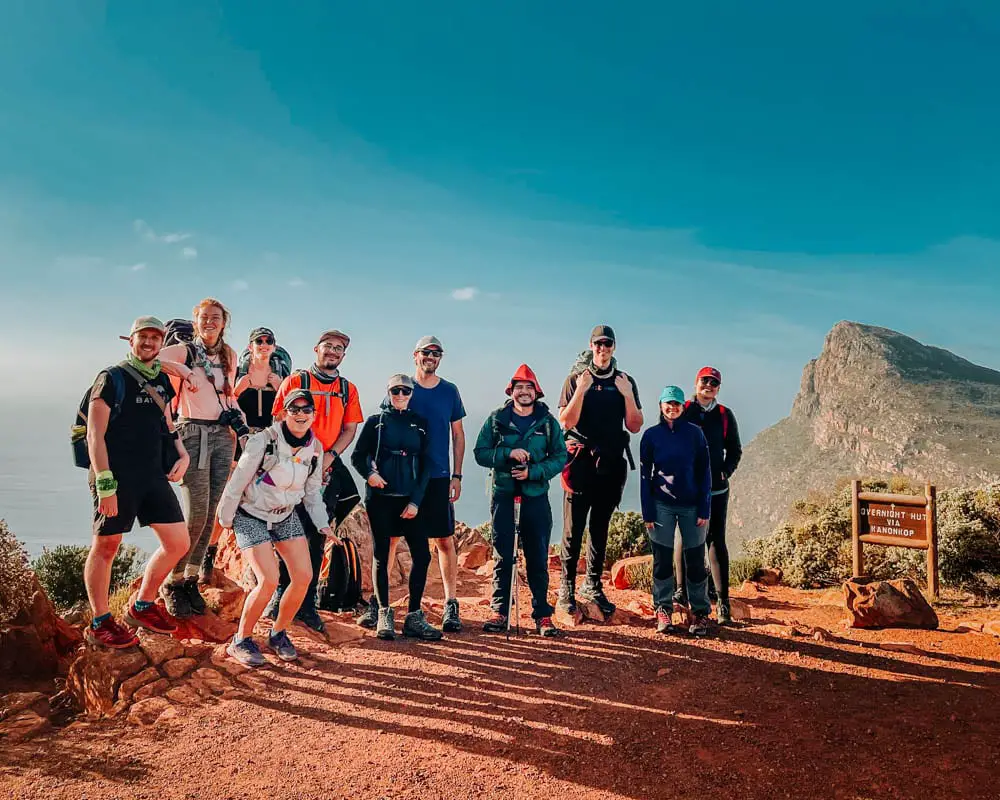
Located inside the ridiculously picturesque Cape Point National Park in South Africa, the Cape of Good Hope Trail is the truest representation of spellbinding coastal beauty I’ve ever encountered.
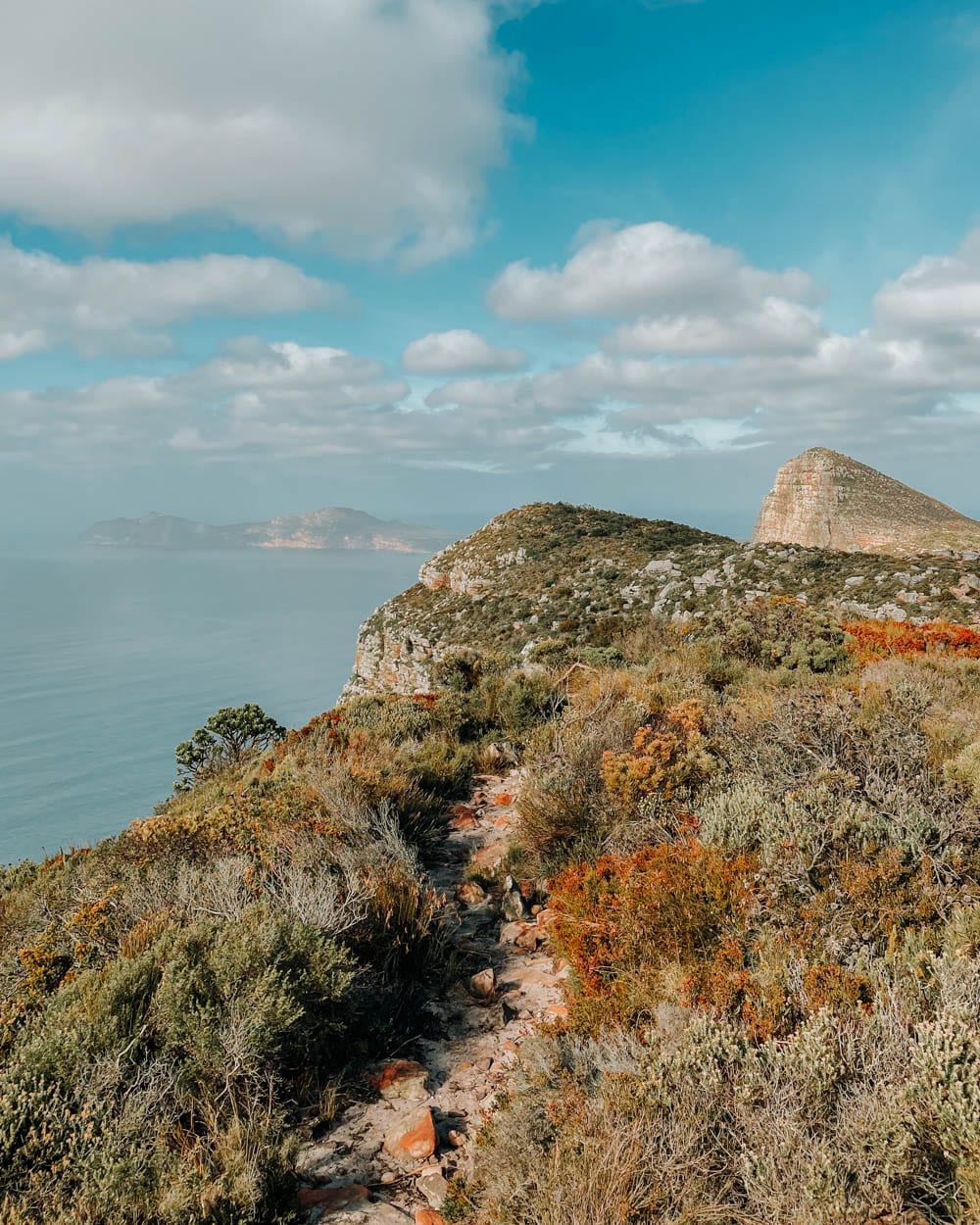
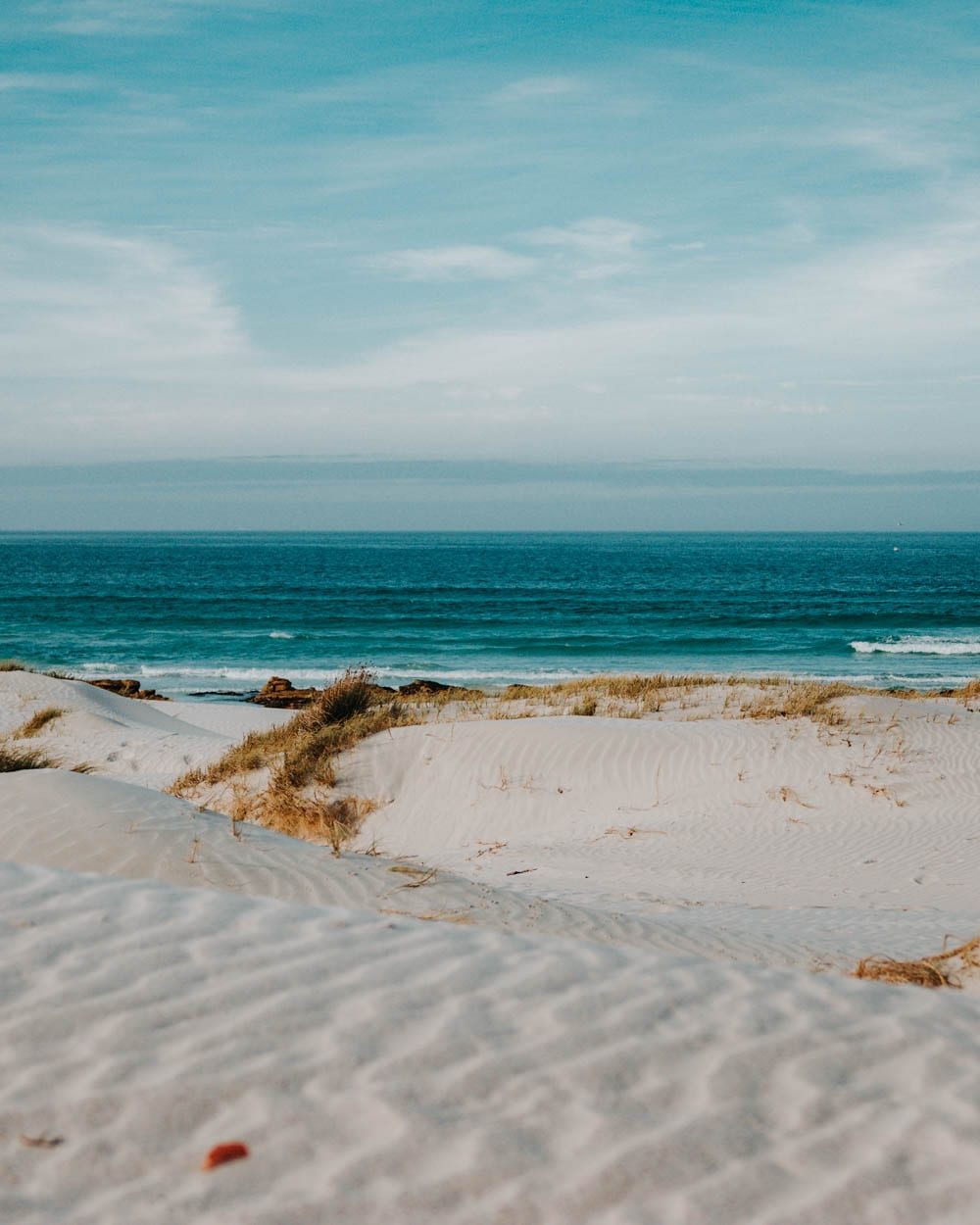
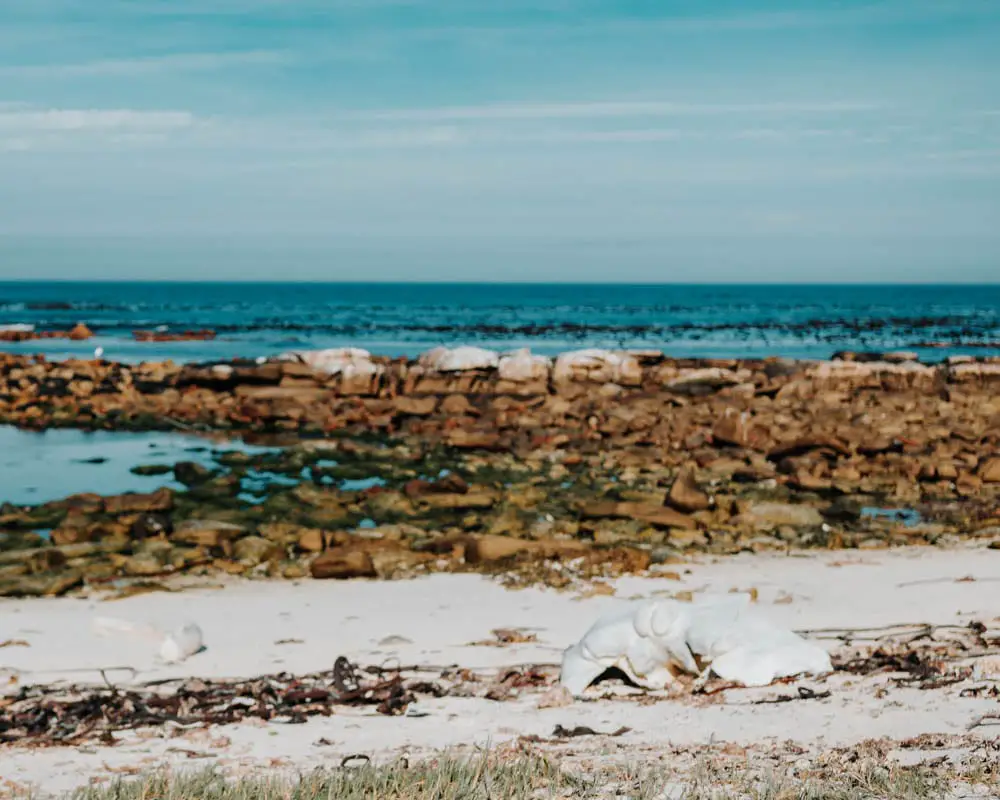
This 2-day Cape Point hike takes you past remote white sand beaches, blue a** water, and winds past dramatic cliffs and rocky shores, which have claimed the lives of many ships over the years. Its volatile coastline has earned it the moniker the “Cape of Storms“, and you can still find remnants of shipwrecks scattered on its shores.
But what makes the Cape of Good Hope Trail special is its accessibility. The hike is a scenic slackpacking experience. Your bags are dropped off at the huts, so the only things you need to carry are your snacks and water.
It’s perfect if you’re looking to get into overnight hikes, but you aren’t ready to trek into the wilderness with a full pack on your back.
Read More: Road Trippin’ to Cape Point
Cape of Good Hope Practical Information
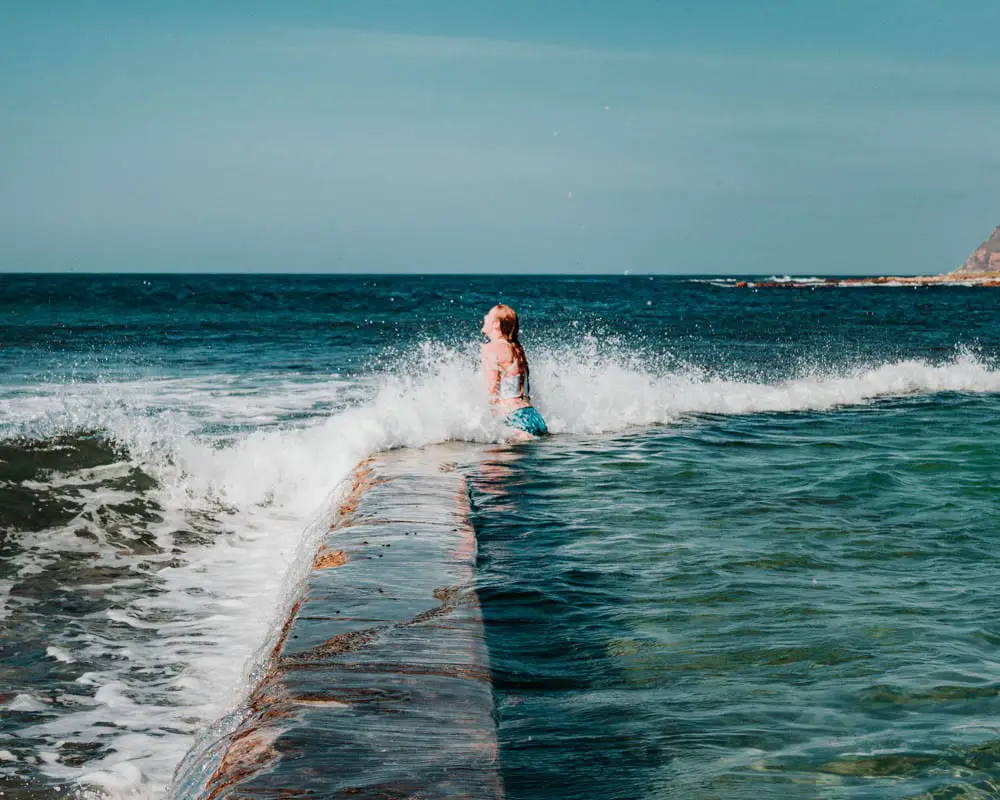
- Cape of Good Hope Hike Distance: 34km, split over two days. It starts and ends at the entrance to Cape Point.
- Difficulty: Moderate. There aren’t any huge uphills, and the trail is mostly flat, but you do need to manage walking long distances each day.
- Bookings: Bookings must be made with the Buffelsfontein Visitors Centre before arrival. You can get in touch with them by phone or email to get up-to-date permit rates and information on available dates. Telephone: +27 (0)21 741 0230
- Extra Costs: Besides your permits, you’ll need to pay the Cape Point National Park entrance fee on arrival. R515.00 for international adults (R250.00 child), R225.00 for SADC nationals (R115.00 child), and R110.00 for South African citizens/residents, or if you have a Wild Card – entrance is free! Remember to bring your ID, even if you’re South African, to get the local rate.
- Bag fee: If you don’t want to hike with your pack, it costs R250.00 to send six bags to the huts. You can pay the fee in cash or by card at the Security Office by the main gate upon arrival.
- Where to Leave Your Car: After paying the Cape Point entrance fee, drive through the boom and park your car on the left-hand side. You can leave your car here for free, and it’s right at the end of the trail.
Read More: 15+ Best Hikes in South Africa With Mind-Blowing Views
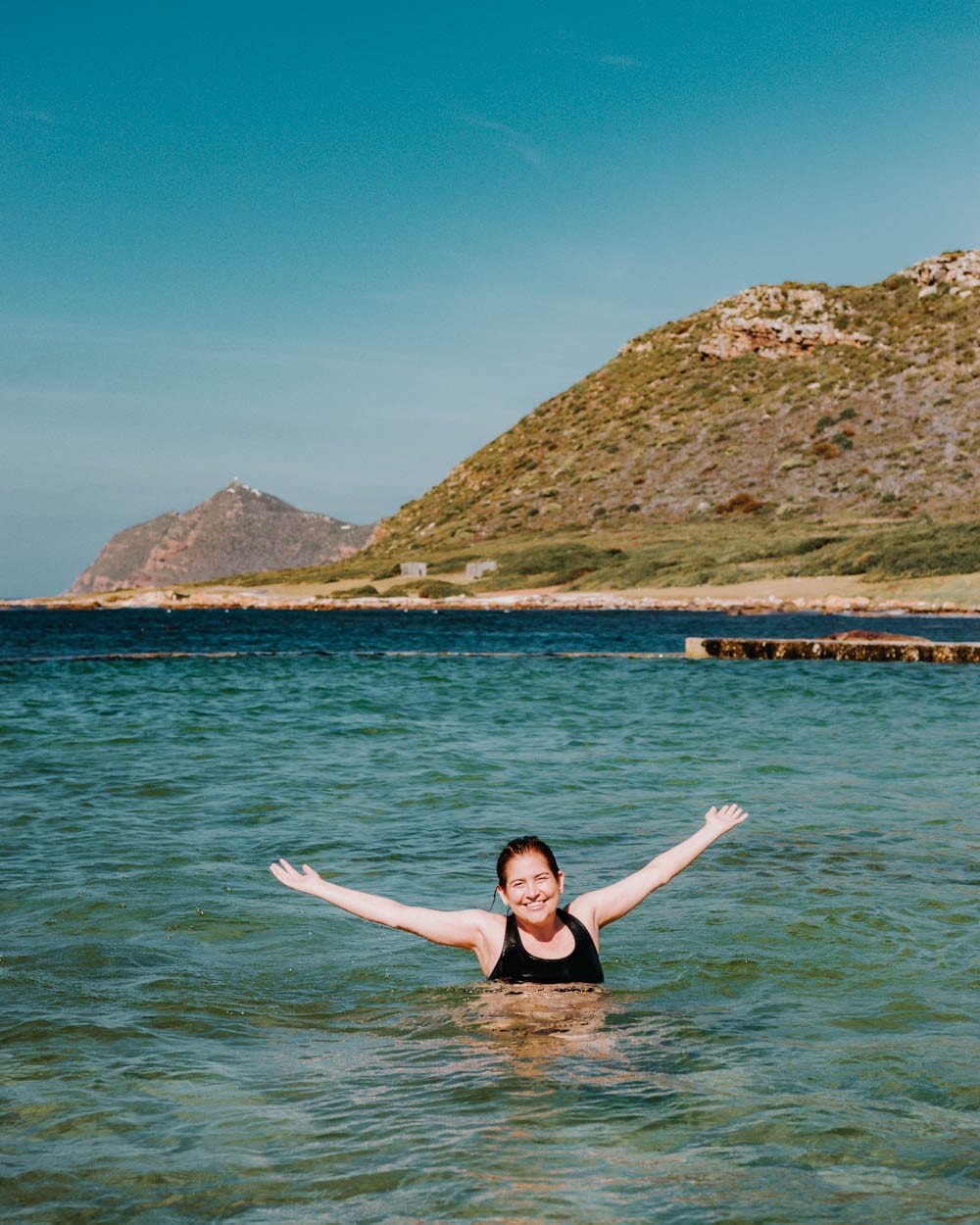
Can You Hike Cape Point Without a Guide?

Yes, you can hike Cape Point without a guide. However, I’d only recommend it if you’re an experienced hiker who is comfortable guiding and using a map.
If it’s your first multi-day hike, and you don’t feel comfortable tackling it solo (or marching your friends into the unknown), sign up for a guided group hike.
“Where do you find such things?” you ask.
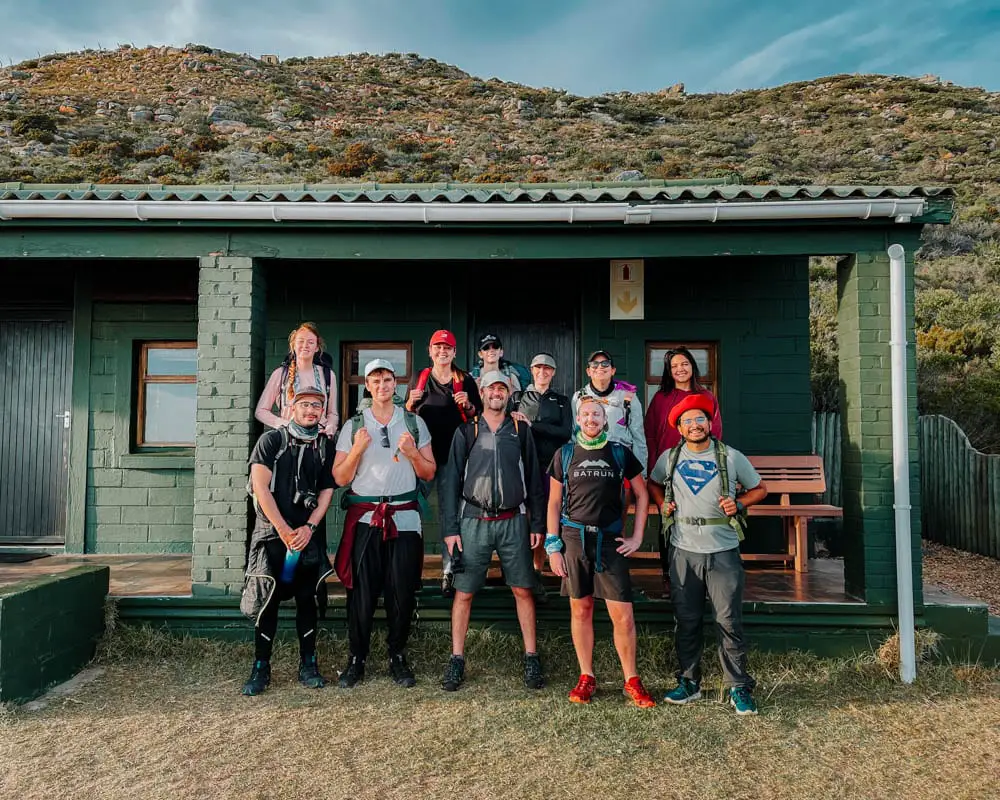
I run guided, fully-catered (no cooking for you, yay!) Cape Point overnight hikes every couple of months with Blake Dyason from Love Our Trails. You can contact him to get up-to-date group hiking dates or book a privately guided experience.
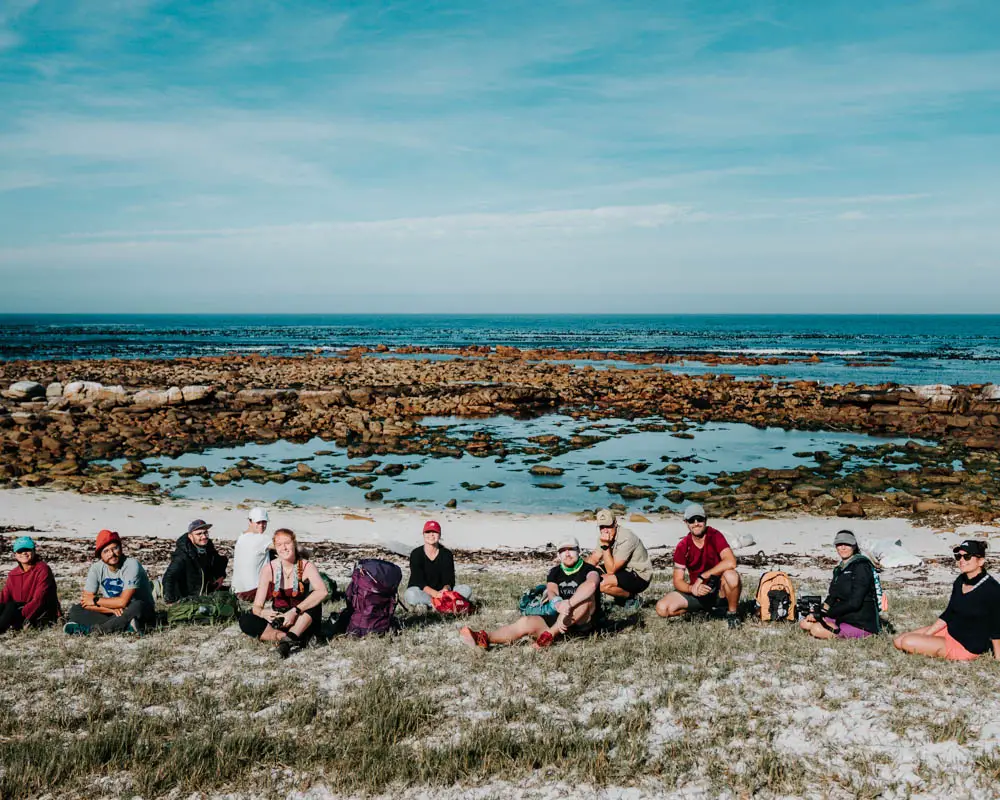
Not only is it a great way to learn about the flora and fauna of Cape Point, but you’ll have an experienced guide who can help out if something does go wrong on the trail. Plus, group hikes are a great way to meet fellow hikers and find more adventure buddies!
This is something I wish I had when I wanted to hike Cape Point all those years ago.
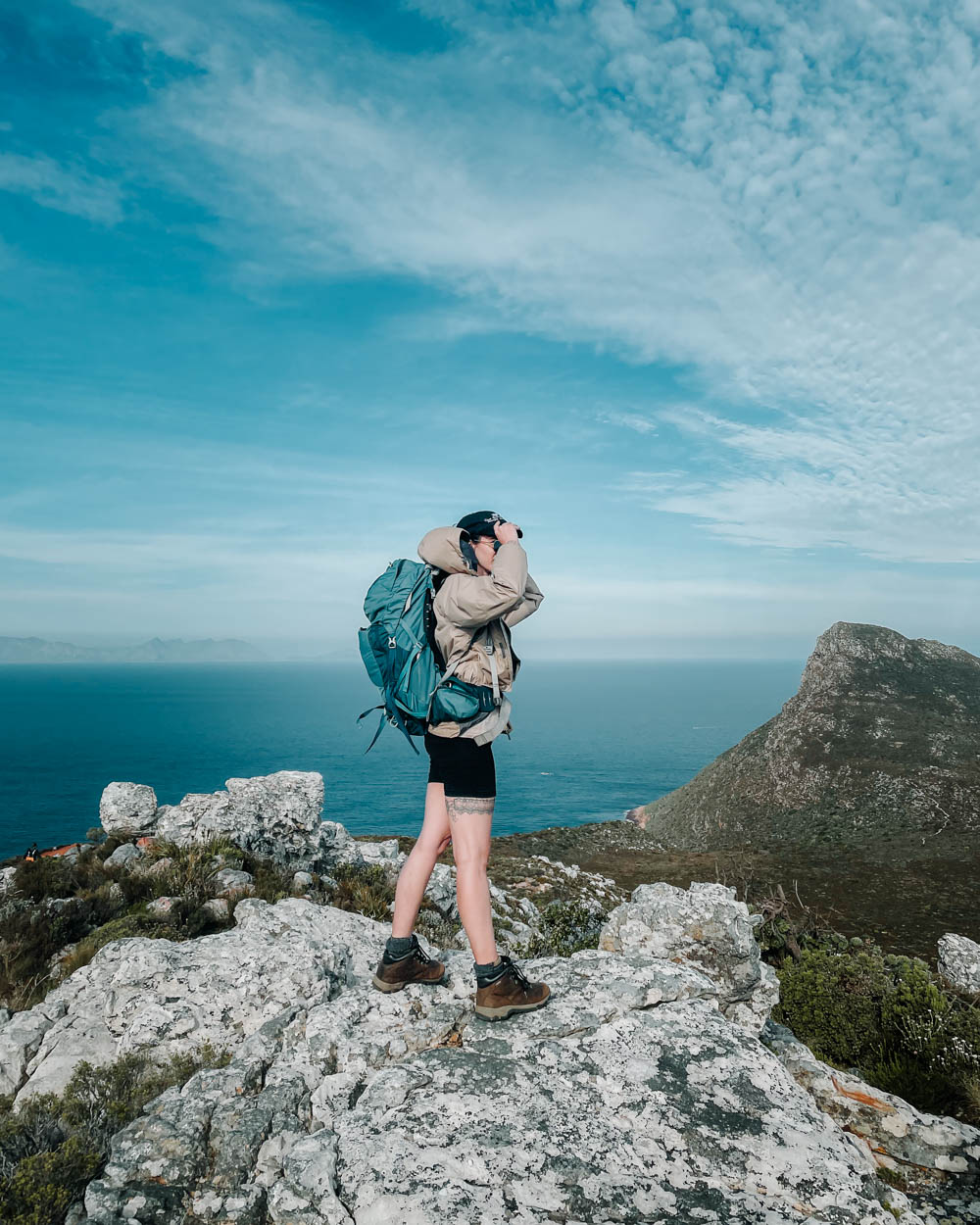
Best Time of Year to Hike Cape Point
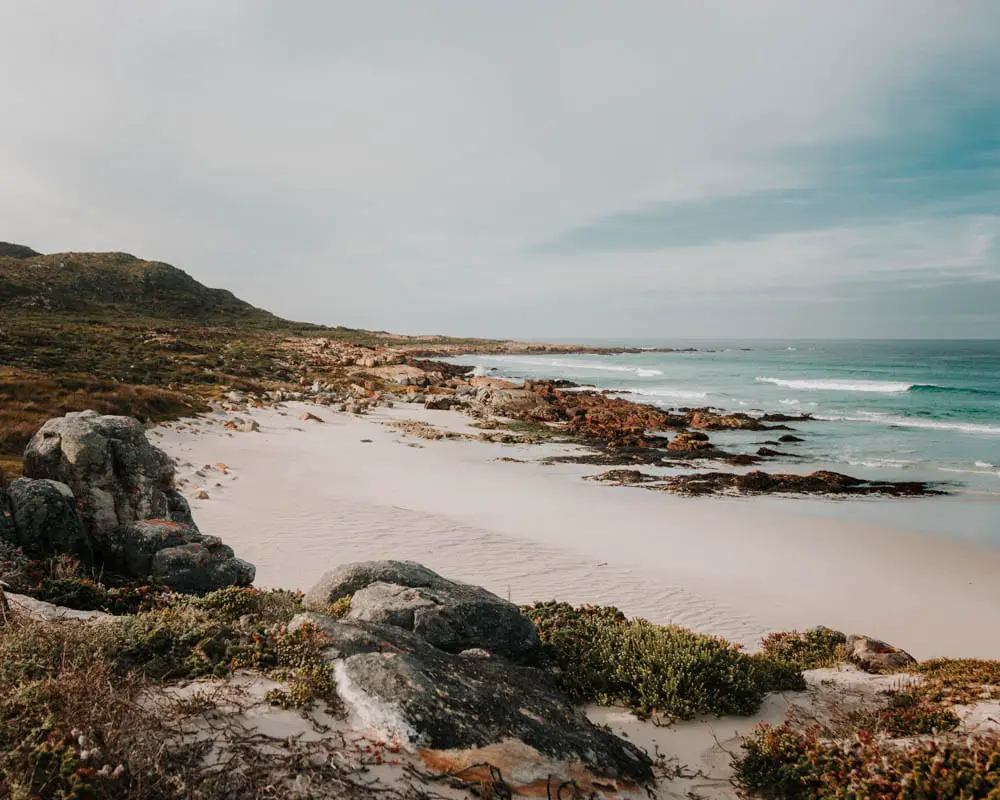
There is no bad time to hike the Cape of Good Hope per day…
…However, some seasons (in my opinion) are superior.
Autumn (March to May)
With the heat of summer slowly fading away and the chill of winter slowly on its way, autumn has the best weather for hikes in Cape Town.
Temperatures are mild (expect low to mid 20s°C), and the skies are clear. The winter storms have yet to hit the coast, and you can (almost) guarantee good weather.
Winter & Spring (August to September)
A major perk of hiking Cape Point in August is whale season! Between June and August, humpback whales and their calves make their way down the coast, and you’ll be able to spot them from the footpath.
Going in August means you might catch the last bit of wet winter weather, but it’s worth it to catch a glimpse of these magnificent creatures.
Just don’t forget warm clothes and your waterproof gear.
In September, it’s springtime, and the wildflowers are in full bloom! Temperatures slowly begin to rise, and it’s a beautiful time of year in the park.
Read More: Whale Trail Hike in South Africa: Everything You Need to Know
How to Get to the Start of the Good Hope Trail From Cape Town
To get from Cape Town to Cape Point National Park, you have two main options: drive yourself or organise a taxi drop-off.
I’d recommend taking your car (or hiring one) as ride-sharing services like Uber aren’t reliable in such a remote part of the province. You’re driving 70km outside of the city, and while a ride-sharing service can drop you off, you can’t count on one being in the area when you finish the hike.
If you don’t want to drive yourself, organise a taxi drop-off and pick-up service. It’s not cheap but does involve way less paperwork.
When you arrive at Cape Point, the start of the trail is a short walk from where you’ll park your car. Follow the road from the boom until you reach a sign on your left.
You can also start the hike from the opposite direction. The end of the trail is by the parking lot, but it means your first day will be much longer. You’ll need to walk 20km instead of 14km to reach the huts.
What to Pack for the Cape Point Overnight Hike
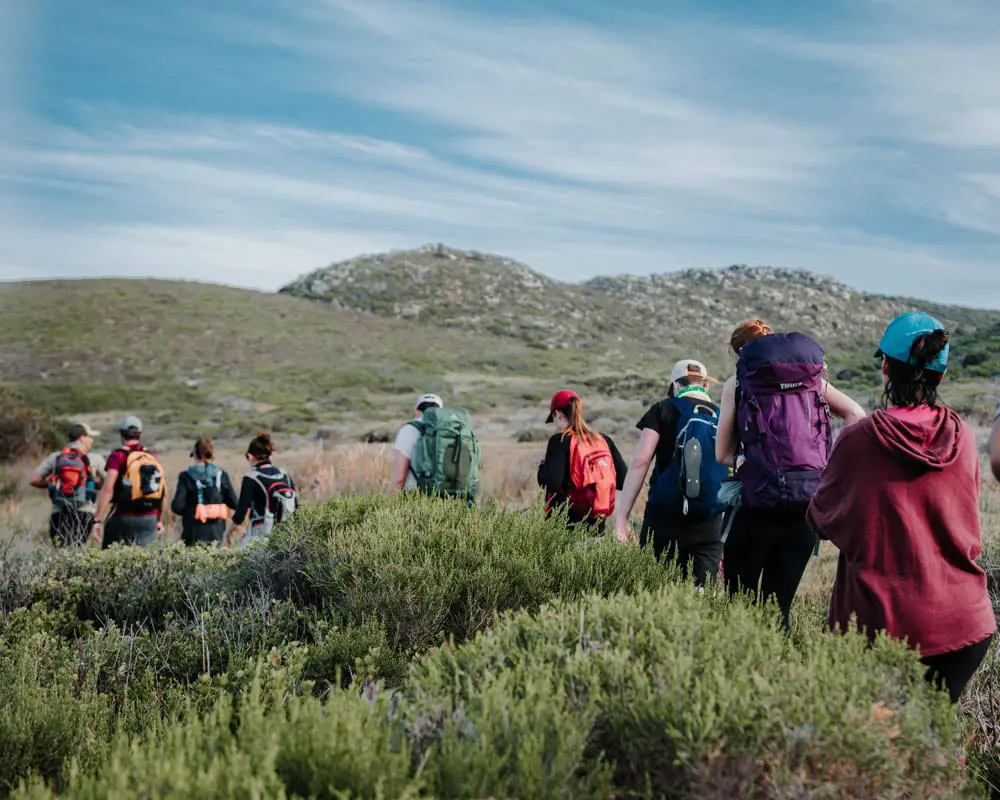
The Cape of Good Hope isn’t a technical hike which means you don’t need all the hiking gadgets and gizmos, only a few basics.
Here’s what I recommend adding to your packing list:
- Sleeping Bag: With no bedding in the huts, make sure you bring the right sleeping bag for the weather. E.g. you’ll need a winter one for the colder months. I use the Amplify Down 900.
- Inflatable Hiking Pillow: Probably one of the best investments I’ve made. I use this one from First Ascent. It packs up small and is super lightweight. If you forget a pillow, you’ll need to sleep on your pack or use a pile of clothes.
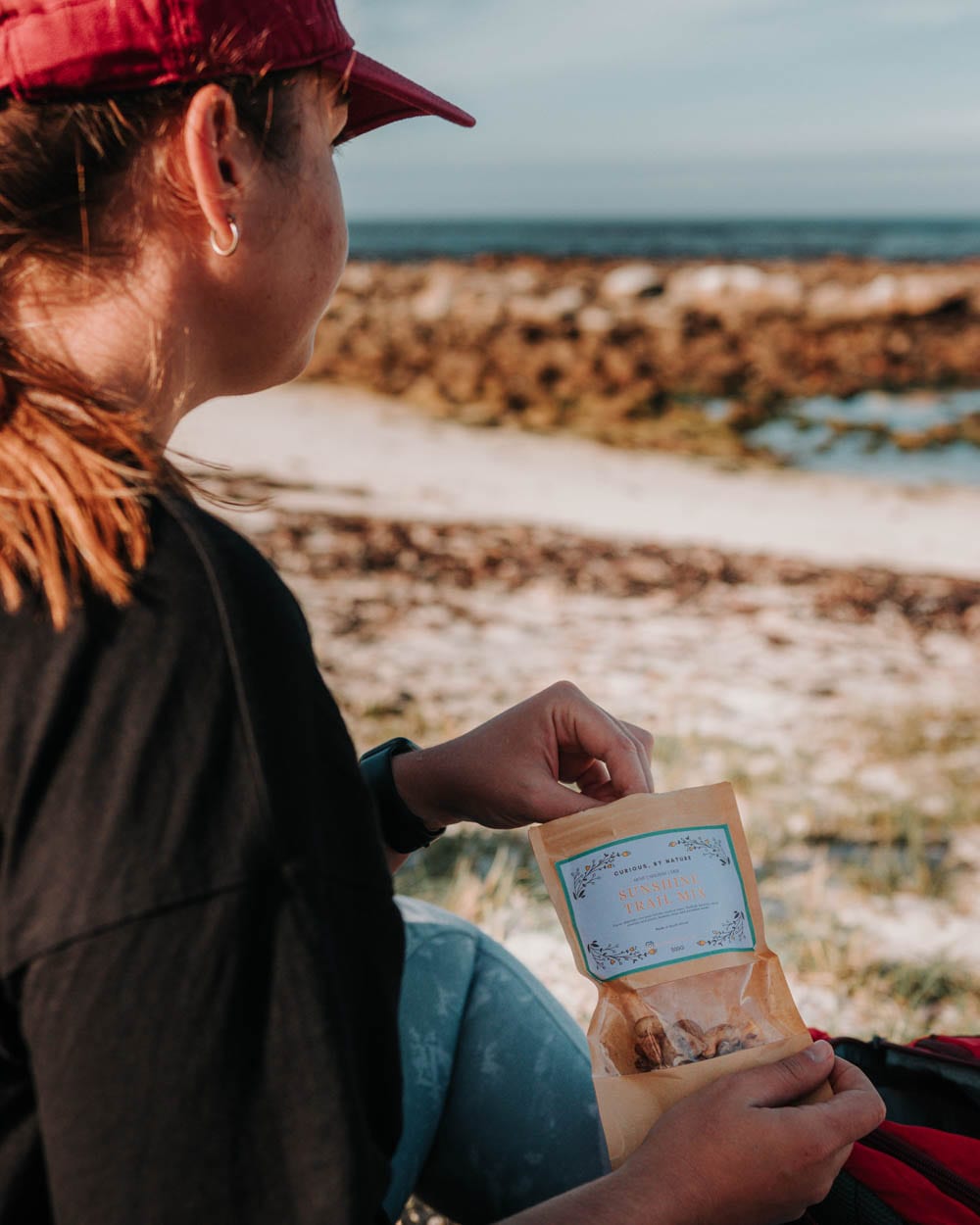
- Food for Two Days: Pack enough food for two lunches, one breakfast, and one dinner, as well as snacks like trail mix.
- Water Bottle or Bladder: With only a few water points on day one, and none on day two, you need to carry at least 3 litres of water each day. I have the 2l First Ascent Water Bladder.
- Hiking Shoes and Socks: Although the trail is mostly flat, you’ll want proper hiking shoes or boots that have good grip and ankle support. I wore my Hi-Tec Altitude V Ultra hiking shoes and two pairs of hiking socks to prevent blisters.
- Jacket and Thermals: It can get quite chilly at night, especially in the winter months. Bring an insulated down jacket (these are lightweight and pack small), thermal base layers, and soft outer-layer shells.
- Rain Gear: Prepare for unpredictable weather changes by bringing an ultralight rain jacket, a waterproof backpack cover, and a dry bag for electronics.
- Camera: I shoot with a Canon 80D and an 18-24mm Sigma Art Lens. When I’m too lazy to take my camera out, I use my iPhone 12. If you want to keep your DSLR handy without holding it or wearing it around your neck, buy a camera clip for your pack’s strap.
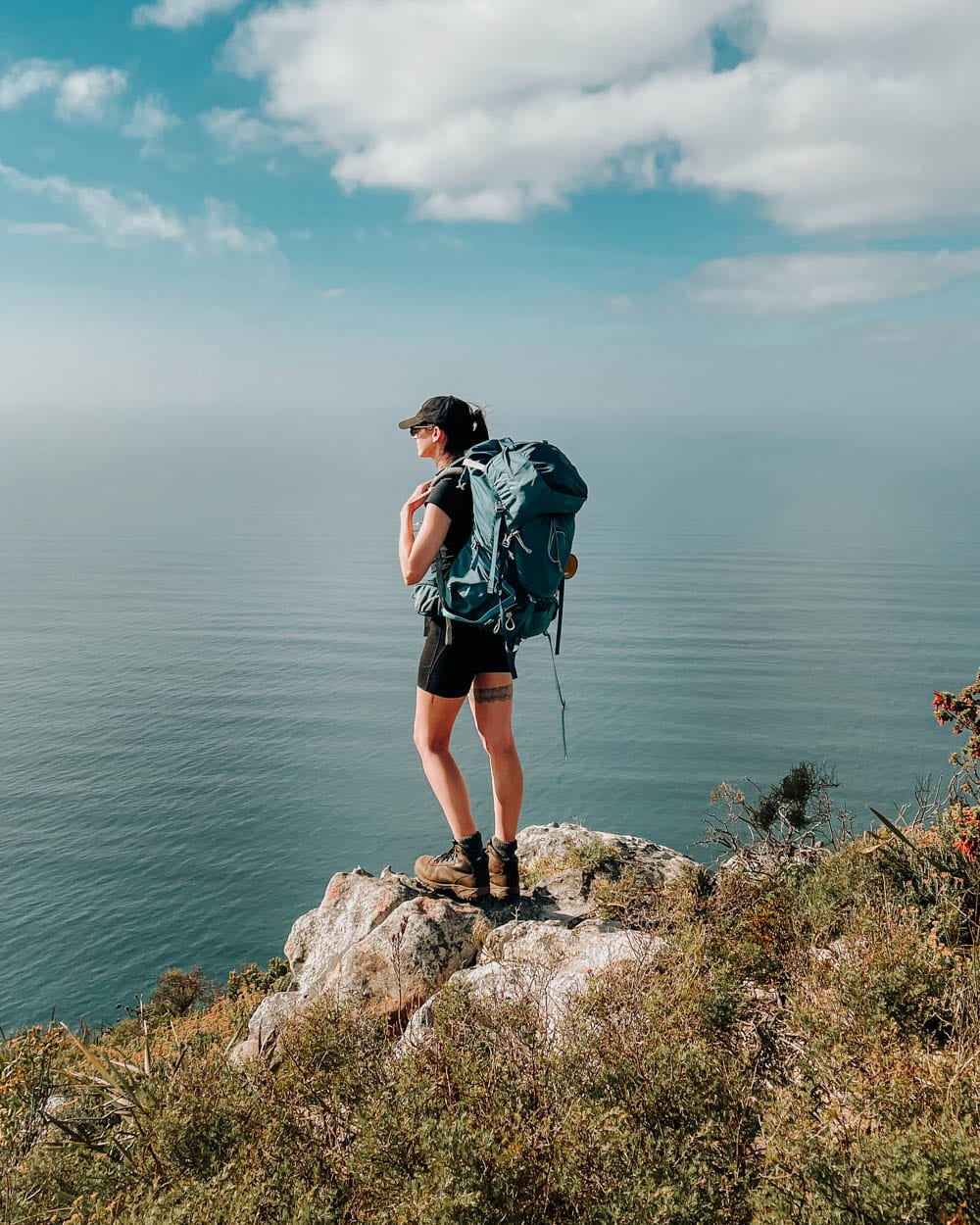
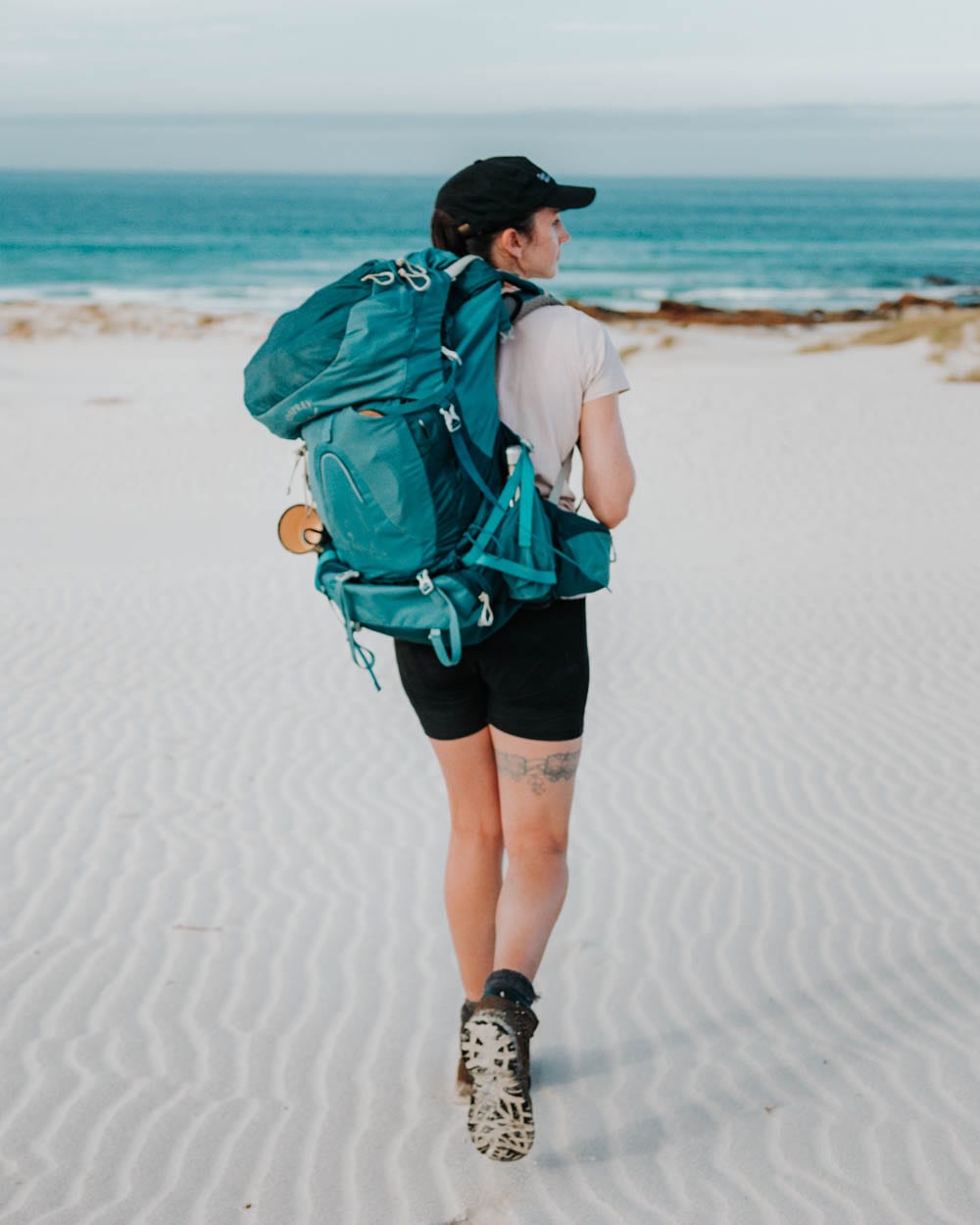
- Small hiking bag: Bring a small bag that can hold 3L of water, food, a camera, and sun protection. If you aren’t sending your bags to the hut, you’ll need a bigger bag. I used my Osprey Aura 65L.
- Sun Protection: There is not much shade along the Cape Point trail. Pack a pair of UV sunglasses, a cap, a buff, SPF lip ice, and SPF50+ sunscreen.
- Headlamp: If you want to shoot astrophotography or leave the huts before sunrise, bring a headlamp.
- Microfibre Towel: Pack a quick-drying towel like this one from Cape Union Mart.
- Lighter: To light the gas stove in the huts.
- Other Clothes: Bring a swimming costume for ocean dips, a beanie, and flip-flops.
Read More: 45+ Hiking Essentials: The Ultimate Hiking Packing List for Beginners
Cape of Good Hope Hike Accommodation
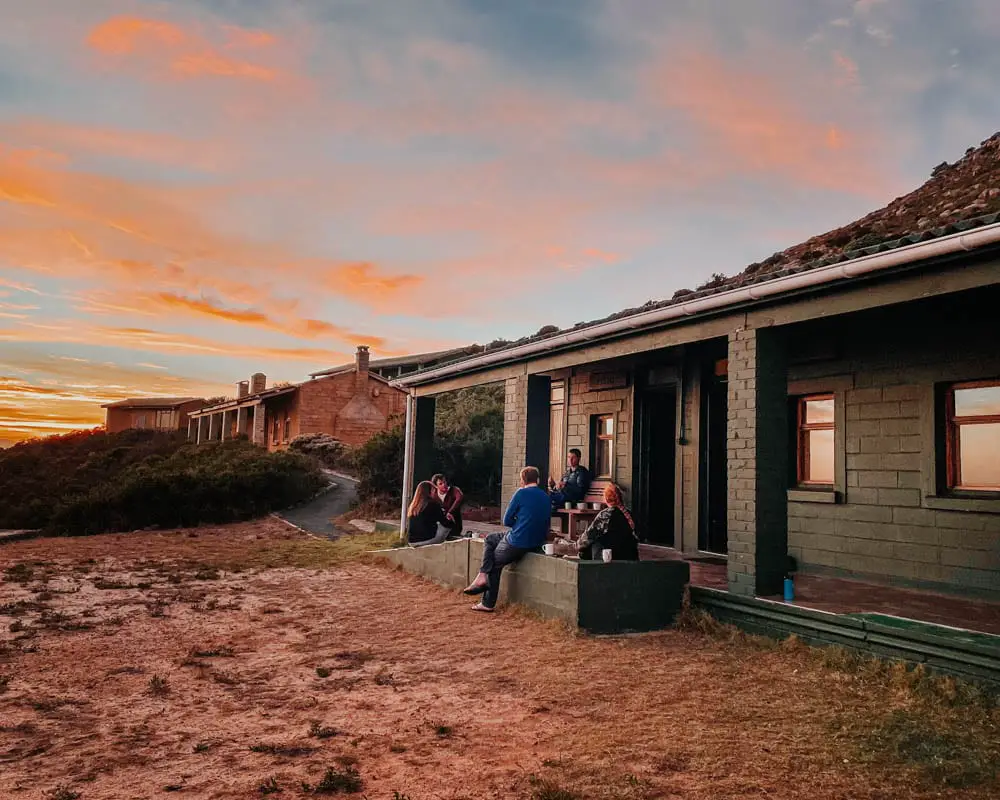
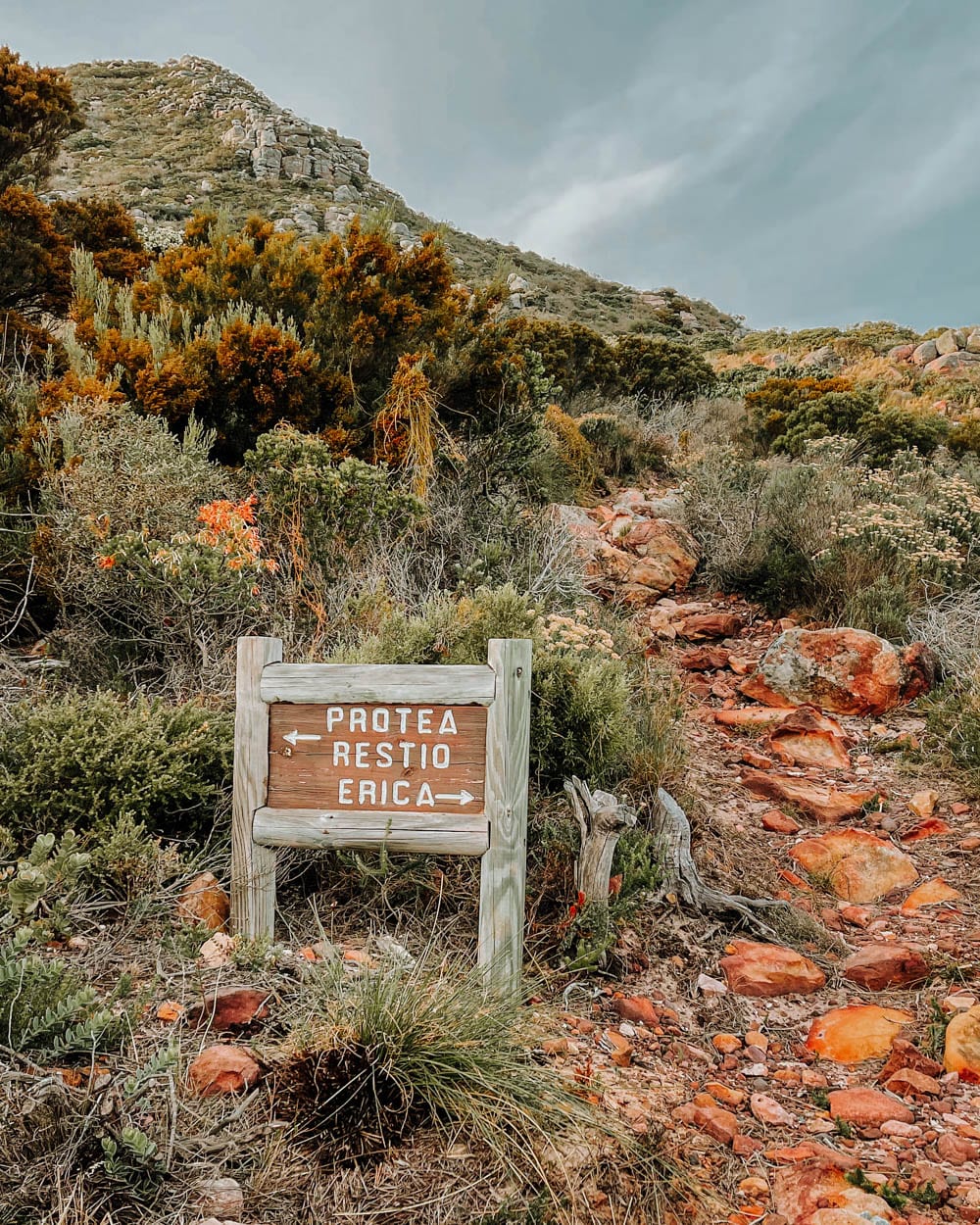
The Cape Point accommodation for the hike is super basic. You’ll stay in one of three huts called Erica, Restio, and Protea.
Erica is the fan favourite. So if you snag a spot here, live it up.
Inside each hut, you’ll find six bunk beds. There’s a separate kitchen and braai area with clean ablution facilities. The kitchen does have all the basics (spoons, forks, pots, pans etc.) and uses a gas stove.
While there is electricity, it’s only for the lights. The rooms are solar-powered, and there is a gas geyser, meaning you can have a hot shower after the hike!
However, the water supply is limited.
Always refill your bottles before everyone starts showering. Otherwise, you’re not going to have water for cooking or on day 2 of the hike.
IMPORTANT: All doors need to be closed and locked. This is to keep the baboons from raiding your rooms and the kitchen when you aren’t there.
Cape of Good Hope Trail: Day 1
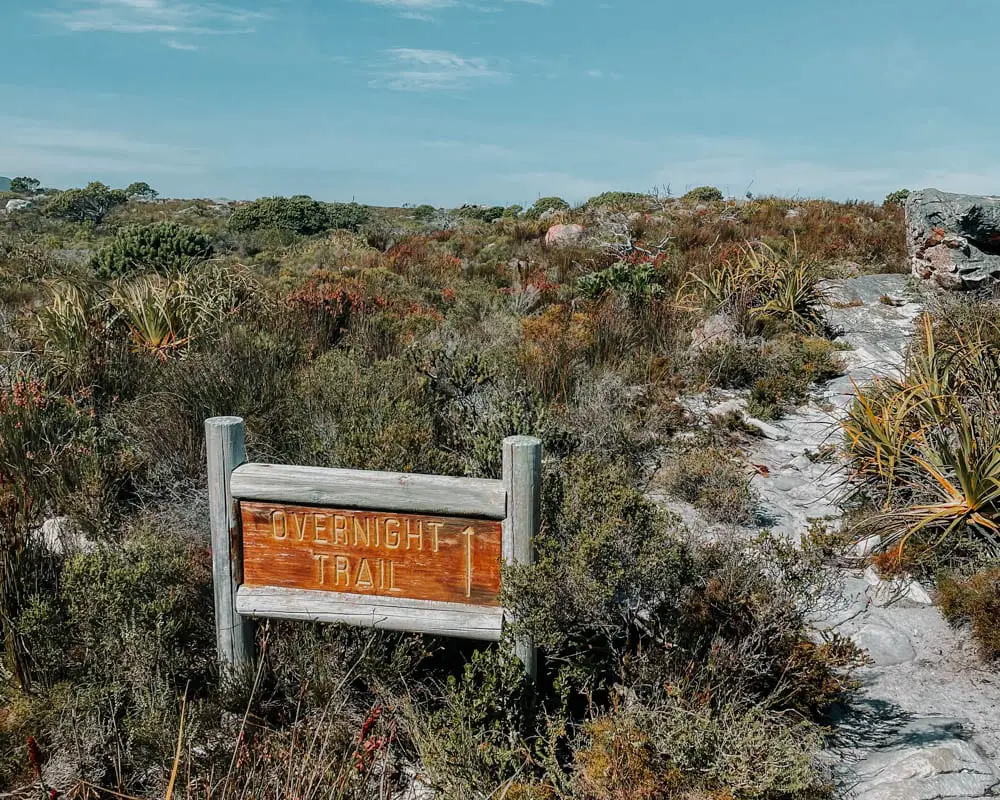
Distance: 14km
Our Time: 6 hours
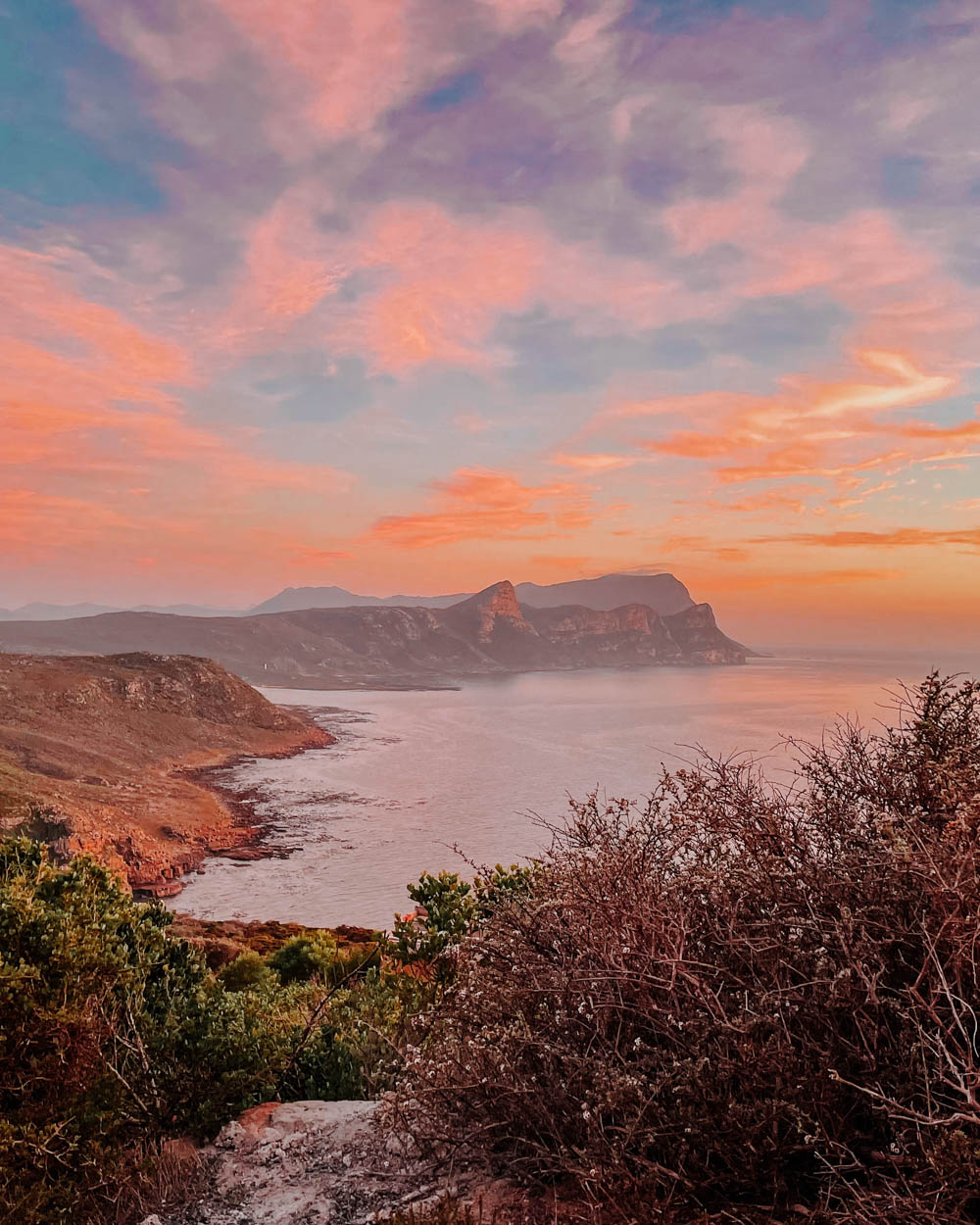
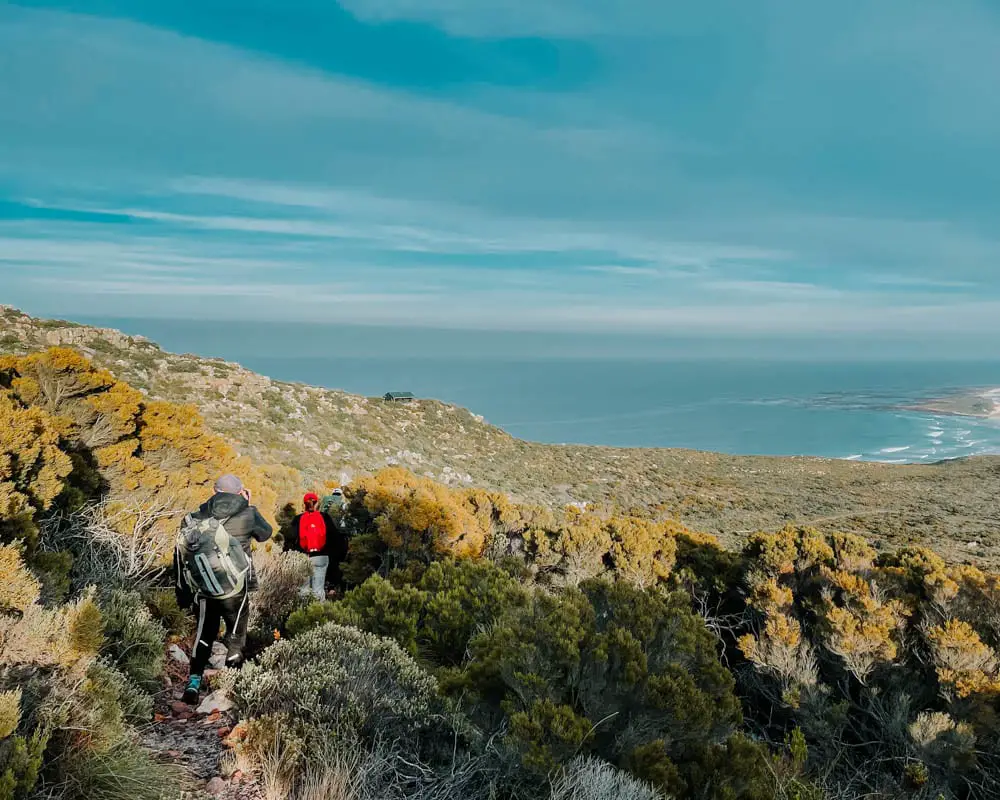
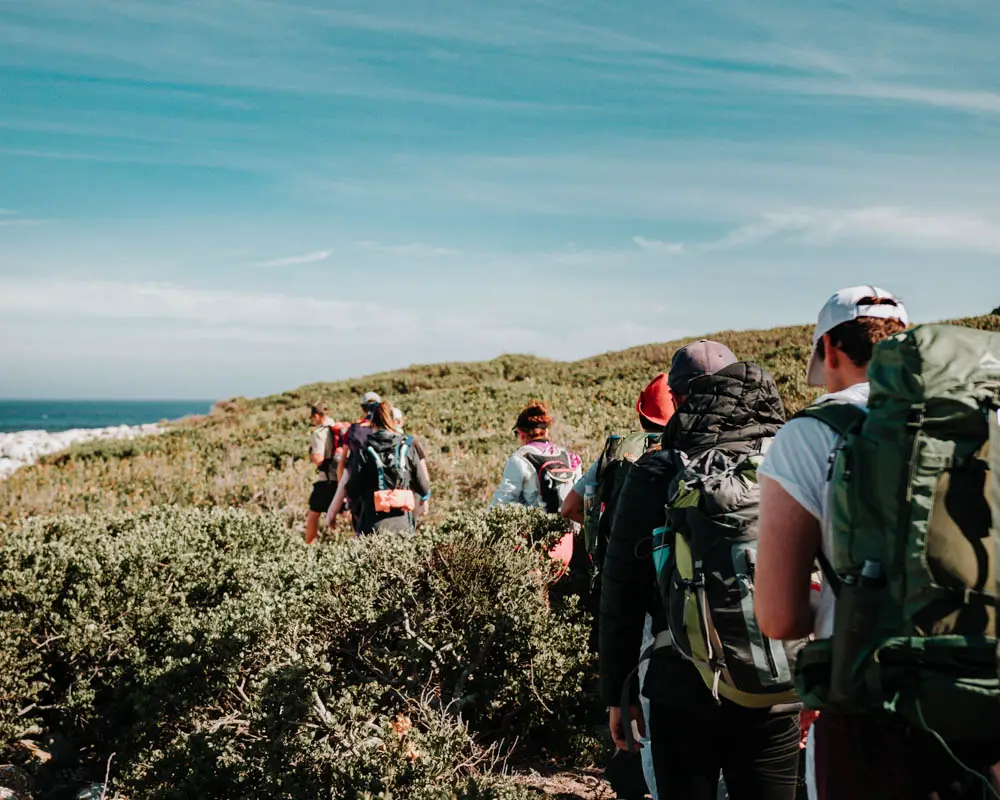
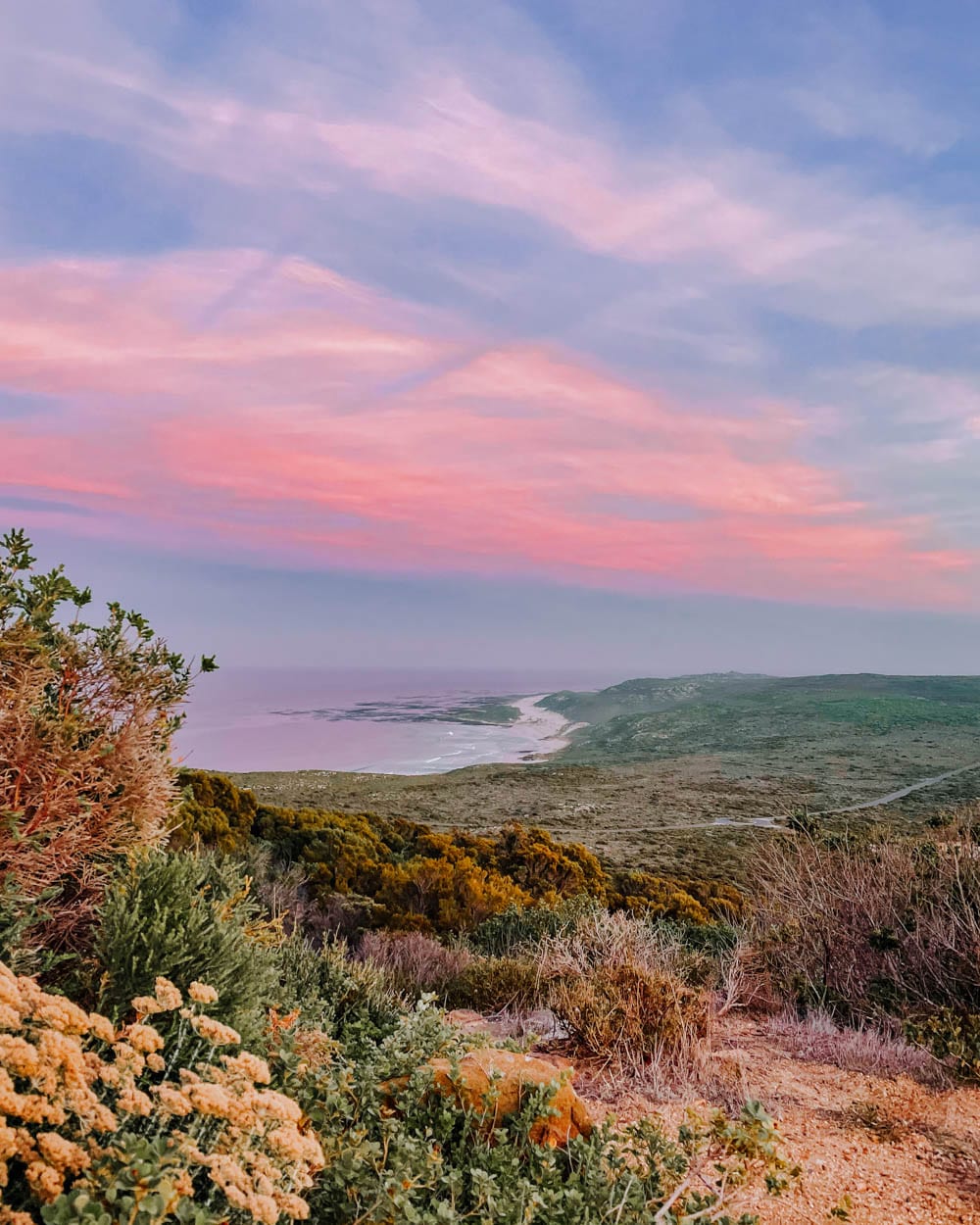
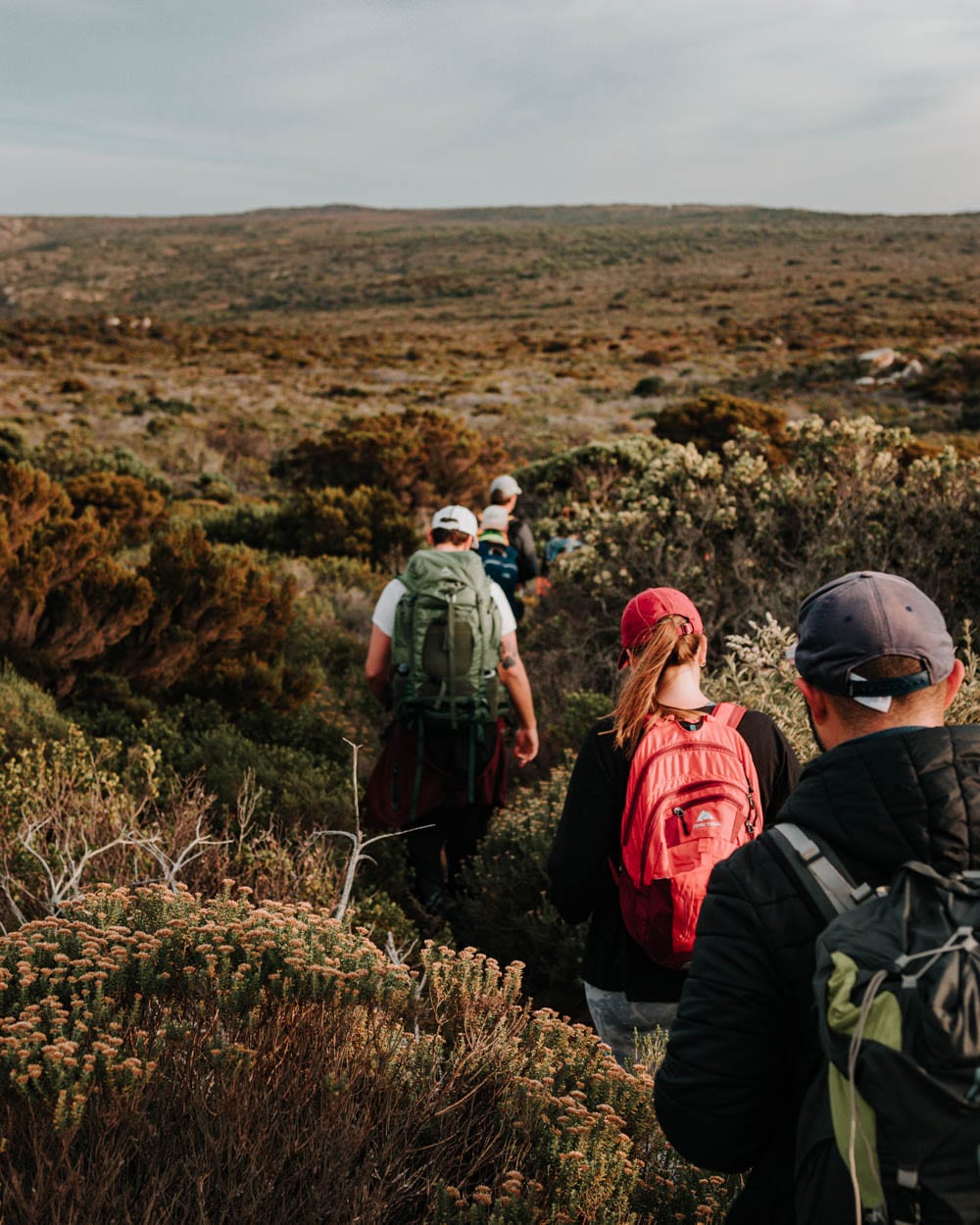
You won’t have to walk for long to see that Cape Point has a wild, untamed beauty. A beauty with rugged coastlines, cliff-hugging baths, and fynbos of almost every variety guiding you along the path.
It’s South Africa at its most magical, topped off with a few surprises like getting chased by baboons, watching dolphins play in the waves, and catching glimpses of zebra and ostrich in the distance.
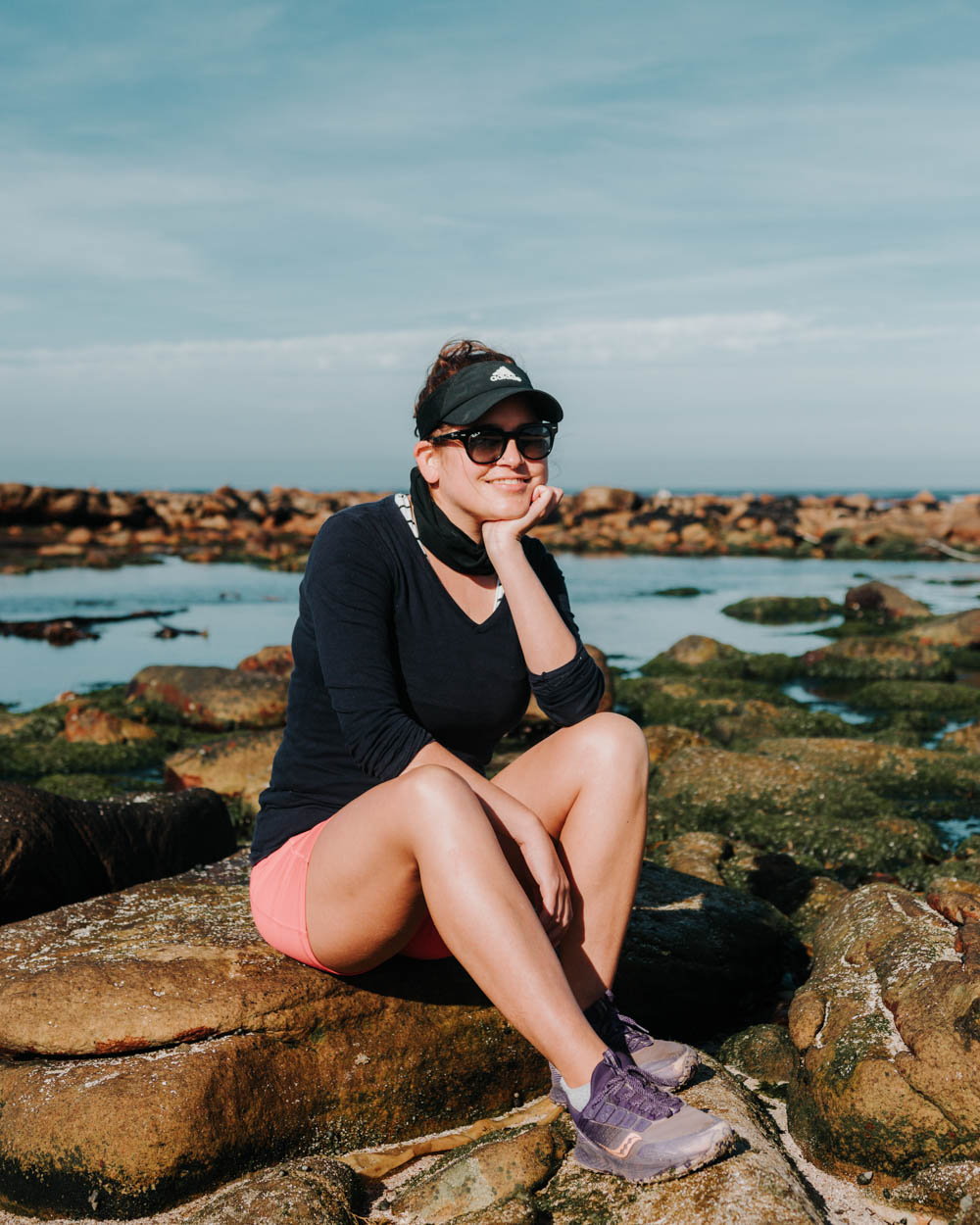
If you do want to take a dip in the tidal pools, leave someone as a guard. The baboons here are quite aggressive and will grab bags in search of food.
Once you reach the huts, the brave can add another 7km hike to the Cape Point Lighthouse. It’s a beautiful spot for sunset, or you can climb the hill behind the huts for a spectacular view of the peninsula.
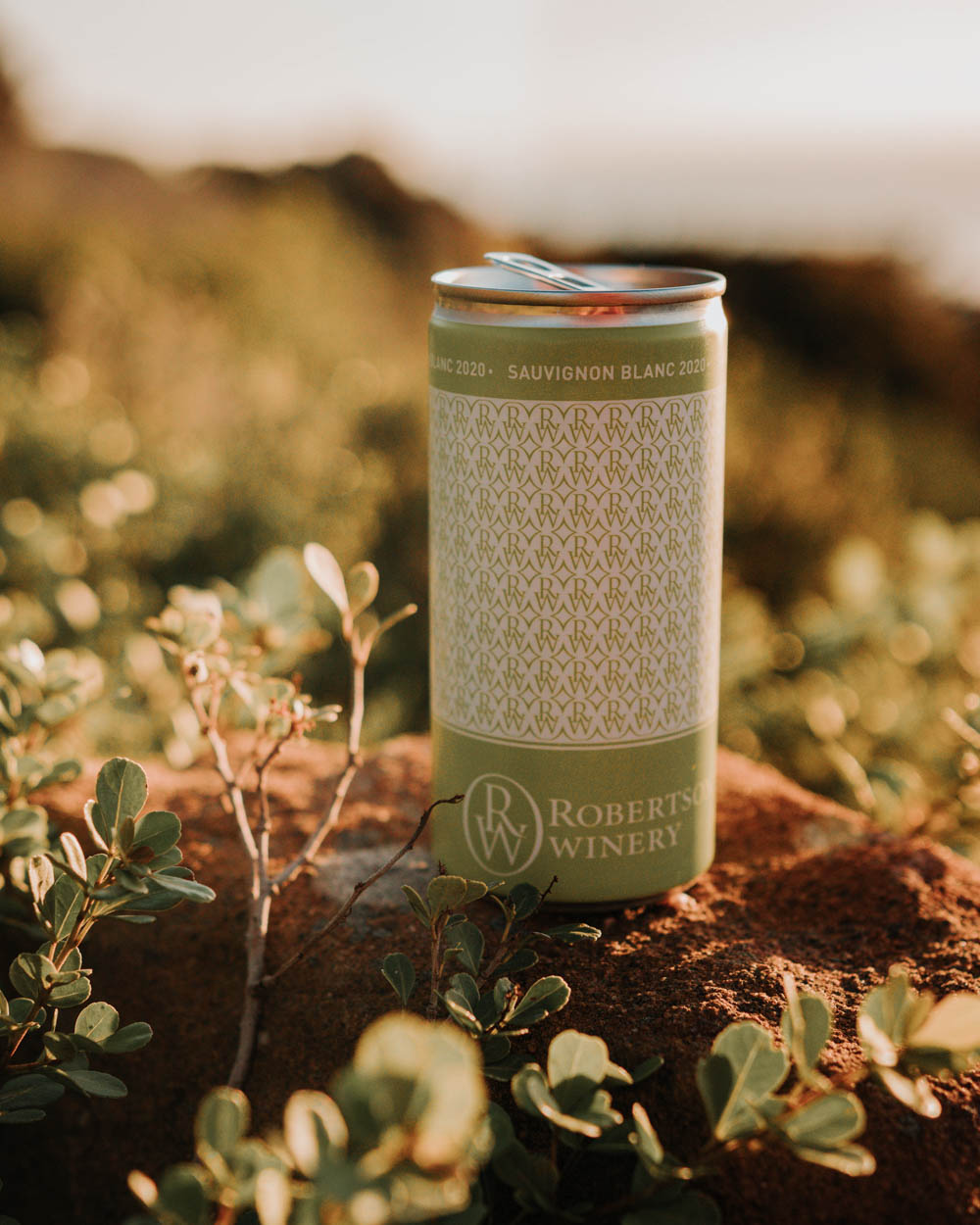
Tip: Pack wine in a can for sunset! We brought 4 cases of Robertson Winery Single Serve in Sauvignon Blanc and Merlot. It works better than glass (no breakage), and the wine tastes incredible!
Cape of Good Hope Trail: Day 2
Distance: 20km
Time: 5 hours and 30 minutes
With a long day ahead of you, start day two before sunrise. I know it’s an early start, but you’ll have cooler temperatures before the heat of the day sets in.
Plus, it’s better light for photos!
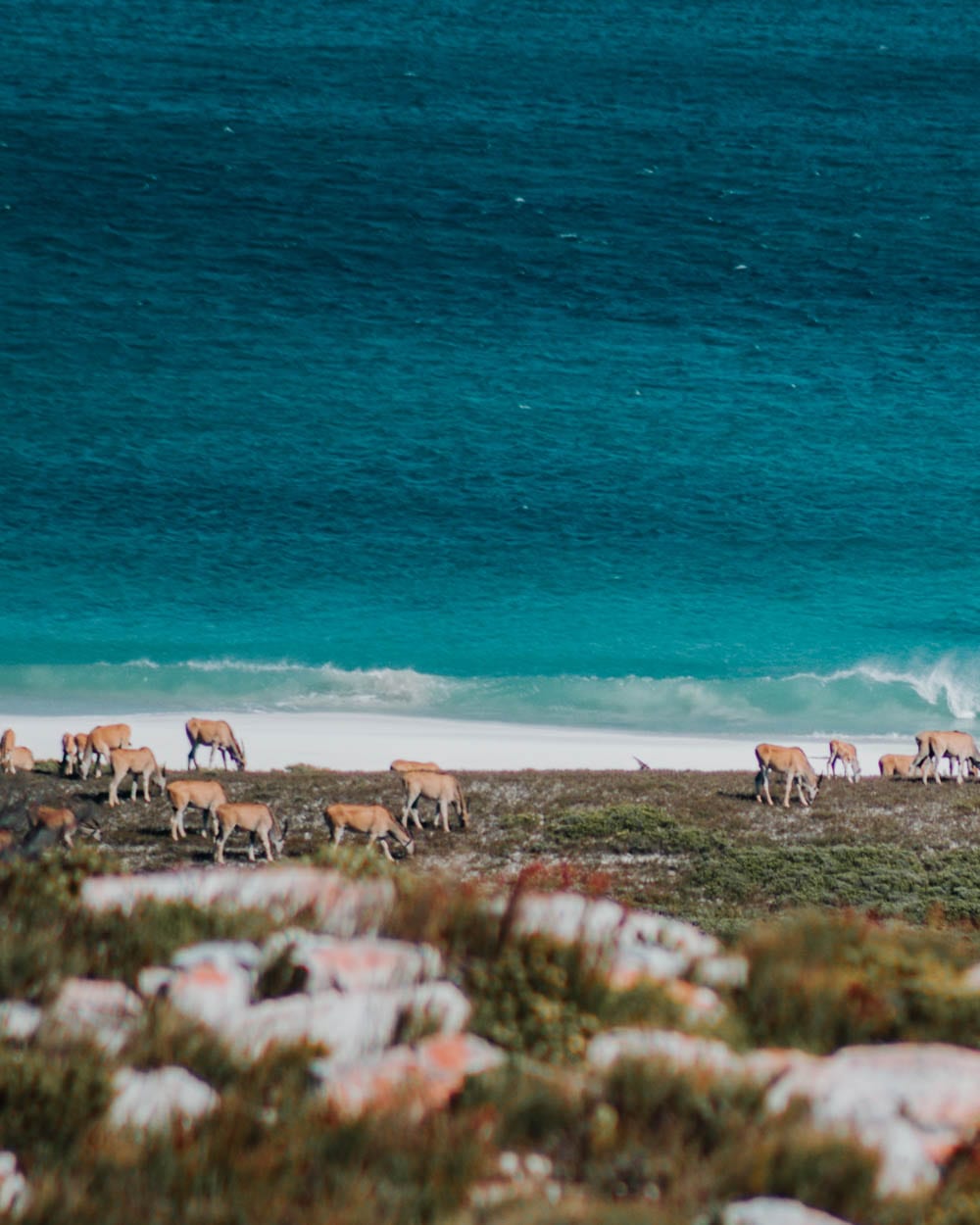
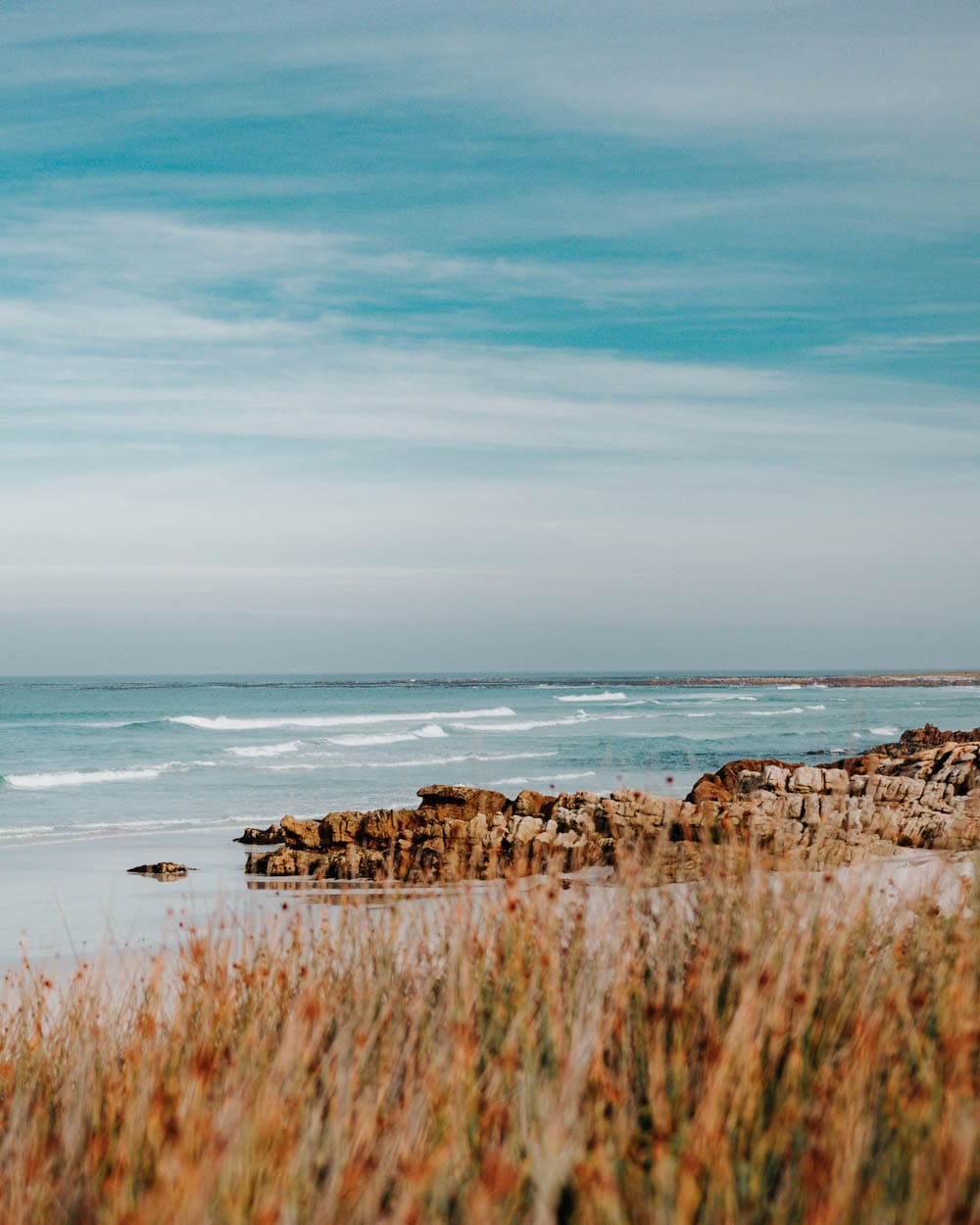
The second day is unbeatable. There are amazing viewpoints in abundance, a spectacular coastal walk section, and (if you’re lucky) you’ll spot herds of springbok near the beach as well.
The hardest part of the trail? The uphill is right before you finish the hike. It isn’t too steep, but after almost 20km of walking, it will use the last bit of your energy.
But once you’re over the hill, you’ll come out right where you parked your car. Grab your bags from the Security Office, swap your hiking boots for flip-flops, and head out to Hudson’s for an ice-cold beer and burger to celebrate!
Cape of Good Hope Hike FAQS
Yes, you can hike the Cape of Good Hope trail without a guide, as long as you’re a confident hiker comfortable navigating with a map. If it’s your first overnight hike or you’d prefer expert support on the trail, joining a guided group hike is a great option
No. The Cape of Good Hope trail is a two-day overnight hike. The trail is 34km long and split into two legs, with an overnight stay in one of three huts (Erica, Restio, or Protea) at the midpoint.
Bookings must be made in advance through the Buffelsfontein Visitors Centre via phone or email. You’ll also need to pay the Cape Point National Park entrance fee on arrival. Wild Card holders get in free, so bring your ID either way to qualify for the local rate.
The trail is rated moderate. There are no major uphills, and the terrain is mostly flat, but you need to be comfortable covering long distances on consecutive days: 14km on day one and 20km on day two.
Got any tips or questions for hiking Cape Point? Hit ya gurl up in the comments below!
If you like it, then you should put a pin on it!

![The Ultimate Cape of Good Hope Hiking Guide [2026]](https://www.wanderlustmovement.org/wp-content/uploads/2021/07/Ultimate-cape-of-good-hope-hiking-guide-scaled.jpg)





Good day, when will you offer a guided Cape Point overnight hike again? We are a family of 4 interested to do the hike during December 2021. Looking forward to hear from youQ
Hey Anna!
We will most likely only do Cape Point again in January. I’m busy working on setting up a separate site for the trips to make all of this easier to navigate. But if you really want to go in December, I can put together the hike for only your family. If that interests you, please reach out on lauren@wanderlustmovement.org
My neighbor Elisha has one of these. She works as a fortune teller and she says it looks floppy.
Has what, sir?